
Ceylon Coffee (Ceylon Arabica)


Ceylon Coffee, particularly Ceylon Arabica, holds a unique and often overlooked place in Sri Lanka’s agricultural history. Long before the island became world-renowned for its tea, coffee was the dominant plantation crop. Introduced during the colonial era, coffee cultivation flourished across the central highlands, with estates stretching through regions such as Kandy, Matale, and Nuwara Eliya. By the mid-19th century, Ceylon had become one of the largest coffee exporters in the world, prized for its mild flavor and aromatic qualities.
However, this golden era came to an abrupt end with the outbreak of coffee leaf rust disease in the 1860s. The fungus devastated plantations, forcing many estate owners to abandon coffee in favor of tea, which proved more resilient. Despite this decline, small-scale cultivation of Ceylon Arabica persisted in certain regions, preserving the legacy of Sri Lankan coffee.
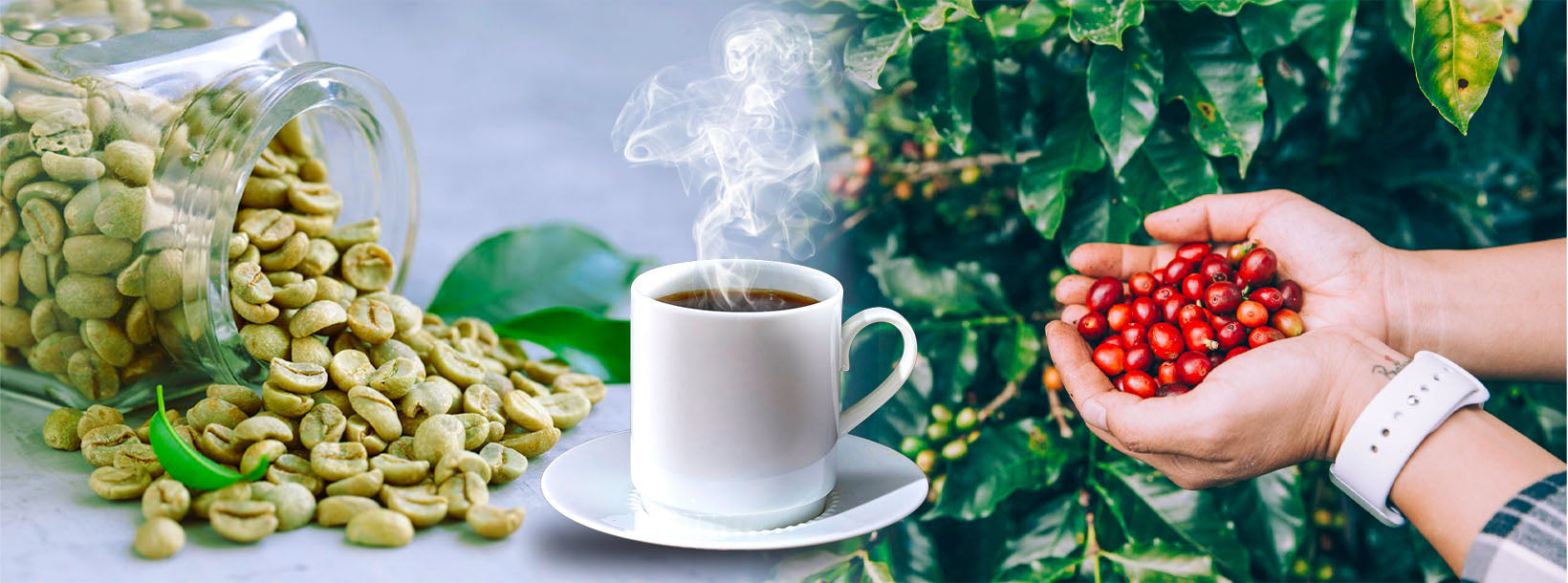
Today, Ceylon Arabica is experiencing a quiet revival, driven by a growing global demand for specialty and origin-specific coffees. Grown primarily in the hill country, often under shade and in mixed-crop systems, Sri Lankan Arabica beans are typically handpicked and processed with care. This results in a cup profile that is smooth, well-balanced, and slightly acidic, often with subtle notes of chocolate, spice, and citrus. The unique terroir of Sri Lanka, including its altitude, rainfall, and soil composition, contributes significantly to these distinctive flavor characteristics.
Local entrepreneurs and boutique producers are now reintroducing Ceylon Coffee to both domestic and international markets. Emphasis is placed on sustainable farming practices, organic cultivation, and ethical sourcing. These efforts not only enhance quality but also support rural livelihoods and biodiversity conservation. Additionally, coffee is increasingly being integrated into agro-tourism experiences, allowing visitors to explore plantations, learn about processing methods, and enjoy freshly brewed Ceylon Arabica in its place of origin.
While Sri Lanka’s tea industry continues to dominate the global stage, Ceylon Coffee represents a compelling niche with strong heritage value and future potential. As awareness grows, this once-forgotten crop is reclaiming its identity, offering a distinctive alternative to more common coffee origins. With continued investment and innovation, Ceylon Arabica may once again become a significant contributor to the island’s agricultural and cultural landscape.


