Colombo Seaport Entrances
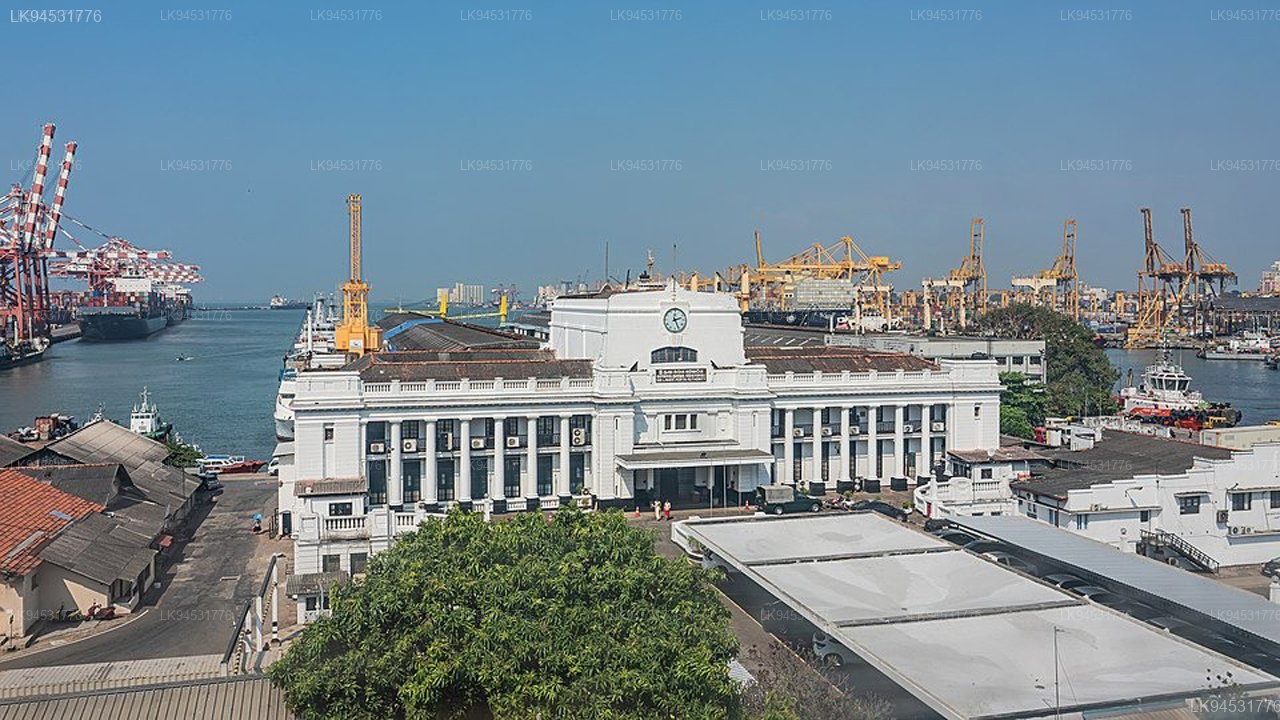
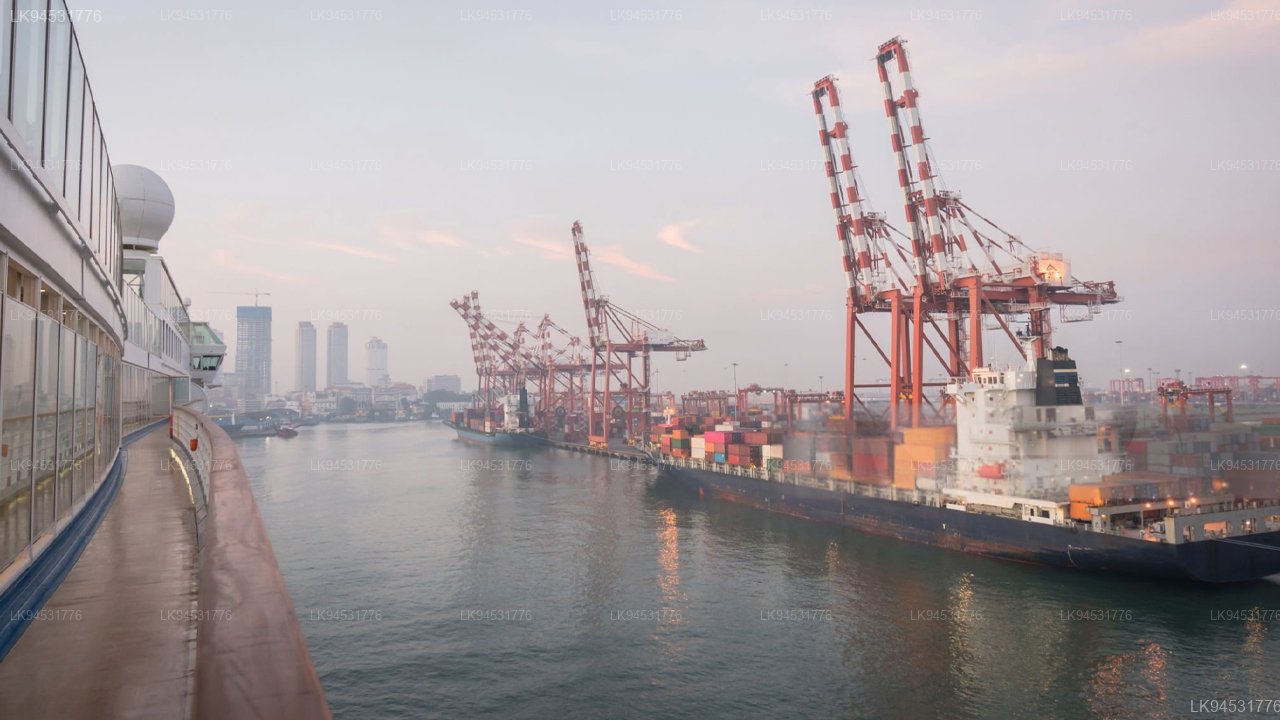
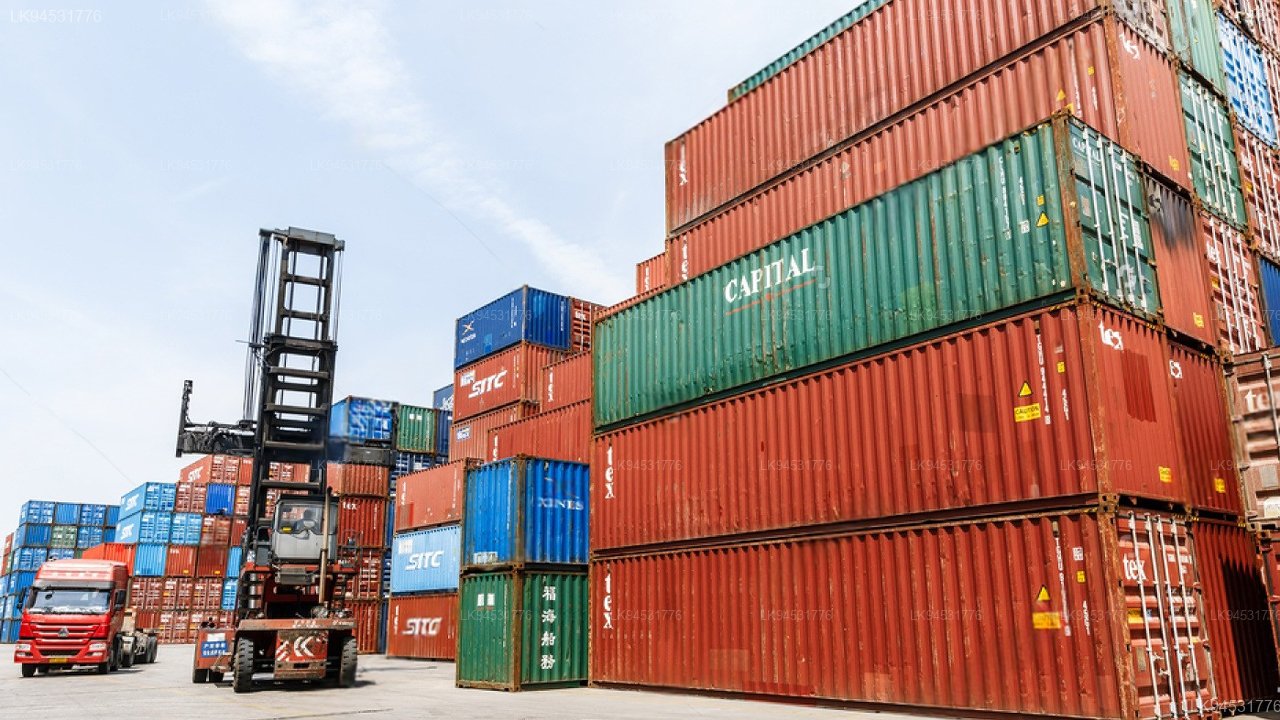
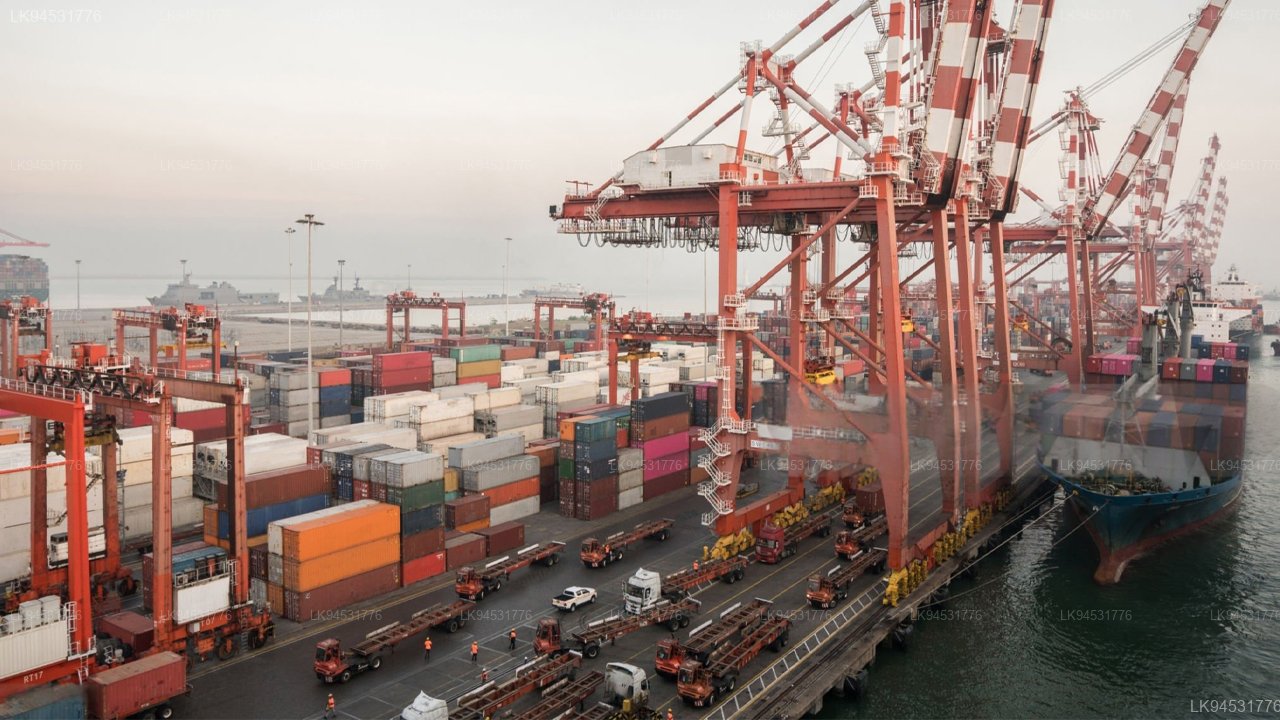
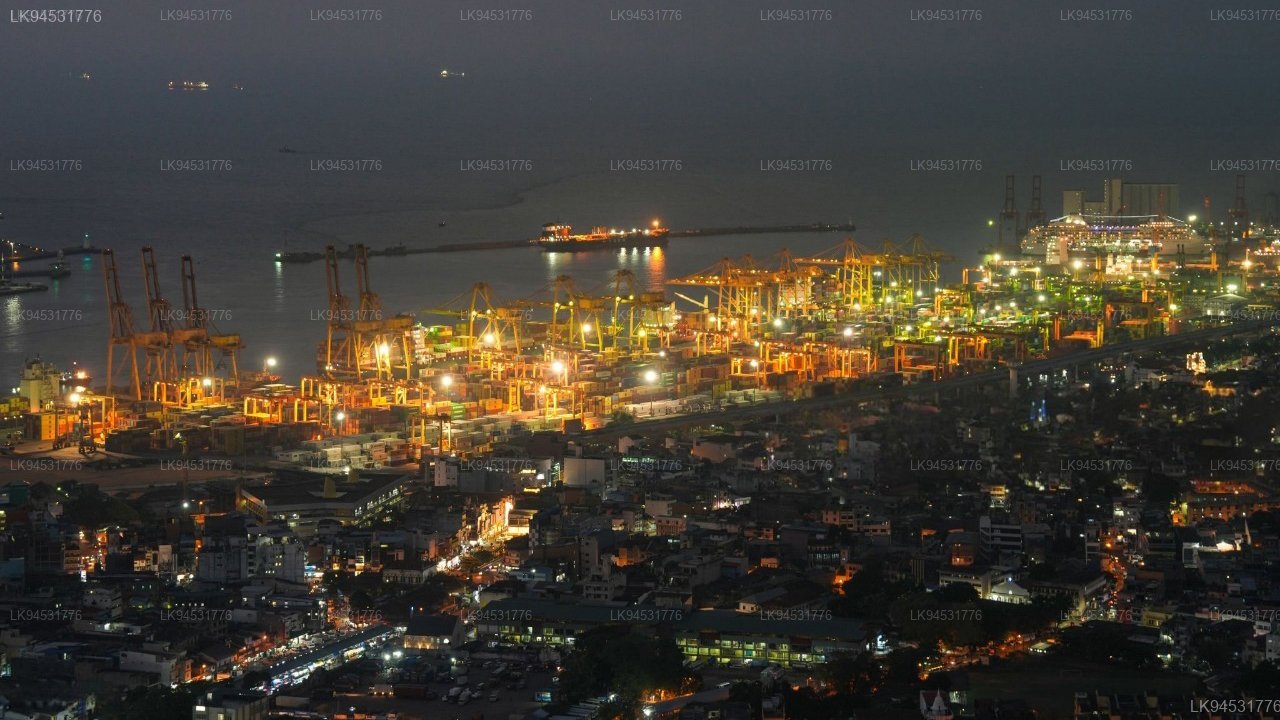
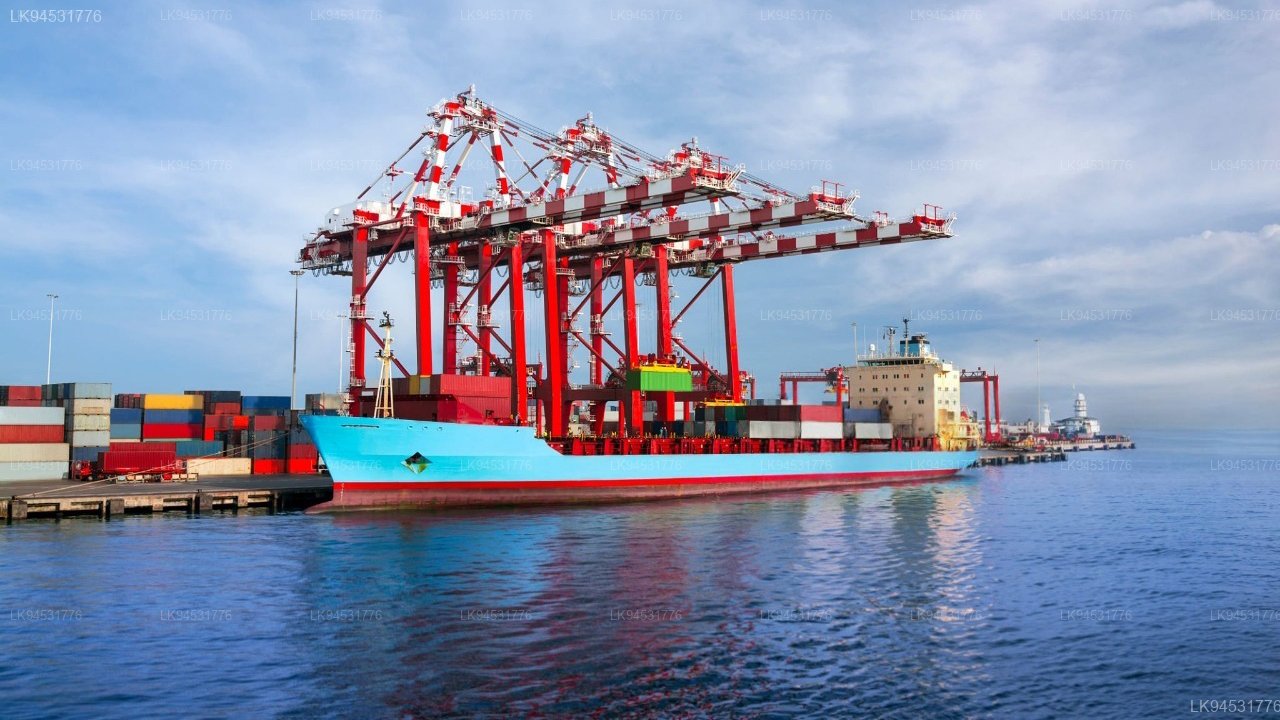
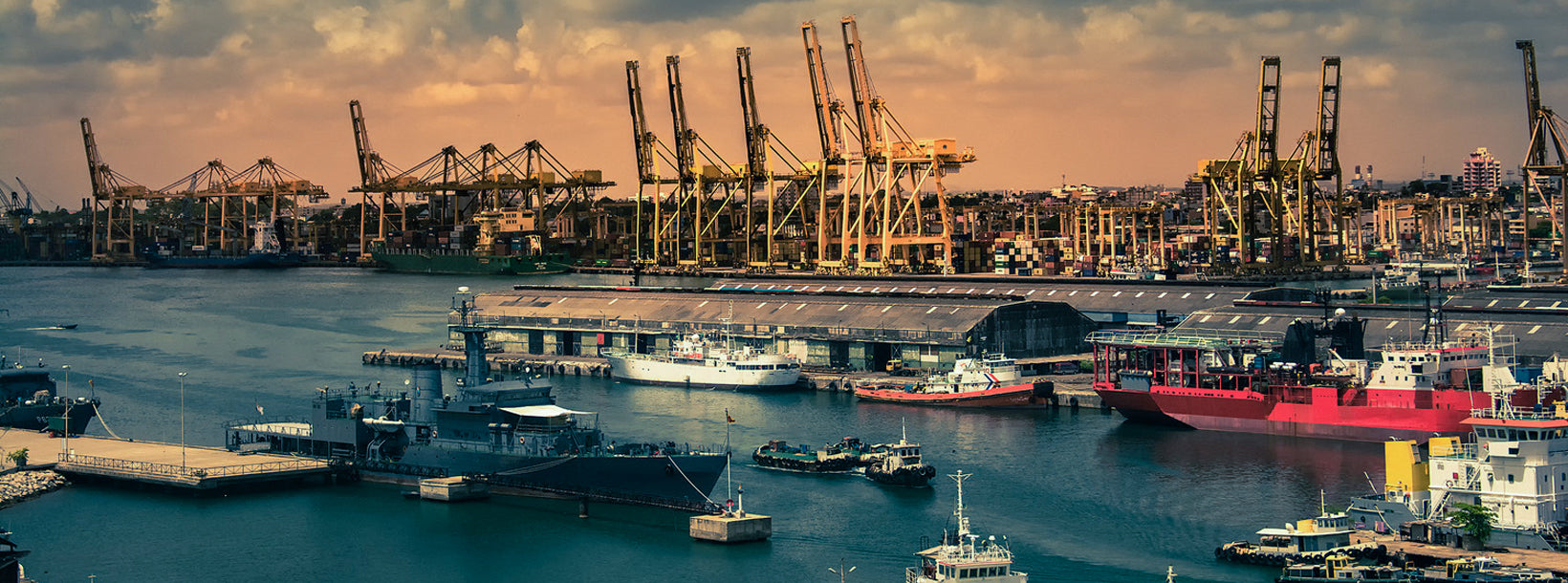
The Port of Colombo is the largest and busiest seaport in Sri Lanka and one of the key maritime hubs in South Asia. Efficient access to the port is vital for cargo handling, logistics, and maritime operations. To facilitate smooth movement of vessels, cargo, and personnel, the port is equipped with multiple land entrances (gates) and two main sea entrances (navigation channels). These entrances connect the port with Colombo's road, rail, and maritime networks, ensuring efficient trade and port operations.
Land Entrances to the Port of Colombo
The Port of Colombo has several secured land gates that regulate the movement of trucks, cargo vehicles, port staff, and visitors. Each gate provides access to specific port facilities such as container terminals, cargo handling areas, and administrative zones.
Main Port Gates
- Main Gate (Gate 01) - The primary entrance to the port, used by port staff, visitors, and logistics operators. It provides central access to the administrative and operational areas within the port.
- CICT Gate (Gate 01A) - This gate provides access to the Colombo International Container Terminal (CICT) located in the South Harbour. It is mainly used for container terminal operations and logistics services.
- Leyden Bastian Gate (Gate 02) - One of the older port access points, connecting the port area with the Pettah and Fort commercial districts. It historically served cargo and general port traffic.
- Export Gate (Gate 03) - Dedicated primarily to export cargo operations. Trucks carrying export containers and goods use this gate to access container yards and terminals.
- St. Anthony's Gate (Gate 04) - Located near the harbour operational zone, this entrance supports internal port operations and staff access.
- JCT Gate (Gate 05) - This gate provides access to the Jaya Container Terminal (JCT), one of the oldest and busiest container terminals in the port.
- New Port Access Road Gate (Gate 06) - Connected to newer road infrastructure designed to improve cargo transport efficiency between the port and Colombo's highway network.
- Railway Access Gate (Gate 07) - Used for rail-based cargo transport. This gate links the port to Sri Lanka's railway network, allowing container and bulk cargo to move inland.
- De Saram Gate (Gate 08) - Another operational entrance that supports port service vehicles, cargo movement, and internal logistics.
Together, these gates help regulate traffic flow, enhance security, and manage the movement of goods and personnel within the port premises.
Sea Entrances to the Port of Colombo
In addition to land access points, the Port of Colombo has two main sea entrances, which allow vessels to safely enter and exit the harbour. These navigation channels are protected by breakwaters and maintained through dredging to ensure adequate depth for large ships.
Western Entrance – Main Channel
- Depth: Approximately 16 meters
- This is the primary maritime entrance to the Port of Colombo.
- It is used by most large container ships and commercial vessels arriving at the port.
- The channel is designed to accommodate large modern container vessels serving international shipping routes.
Northern Entrance – North Channel
- Depth: Approximately 13 meters
- Serves as an additional navigation route for vessels entering or leaving the harbour.
- Often used for smaller vessels or when traffic management requires alternative routing.
Both channels are protected by breakwaters and guided by pilotage services, ensuring safe navigation into the harbour basin.
Strategic Importance of Colombo Port Entrances
The carefully designed entrance system of the Port of Colombo supports its role as a major transshipment and logistics hub in the Indian Ocean region. Efficient land and sea access ensures seamless connectivity between shipping routes, container terminals, road networks, and inland logistics infrastructure.
With expanding terminals, improved road connectivity, and ongoing infrastructure development, the port entrances continue to play a critical role in maintaining Colombo's position as a key gateway for international trade in South Asia.