Koggala Hirugal Devalaya

The origins of the Koggala Irugal Devalaya date back centuries, intertwined with the island's rich traditions and folklore. It is said that the shrine was established to honor the deity who has safeguarded the land from calamities and ensured the prosperity of its inhabitants. Over the years, the devalaya has become a symbol of communal faith and unity, drawing devotees from across the country.
Architectural Beauty
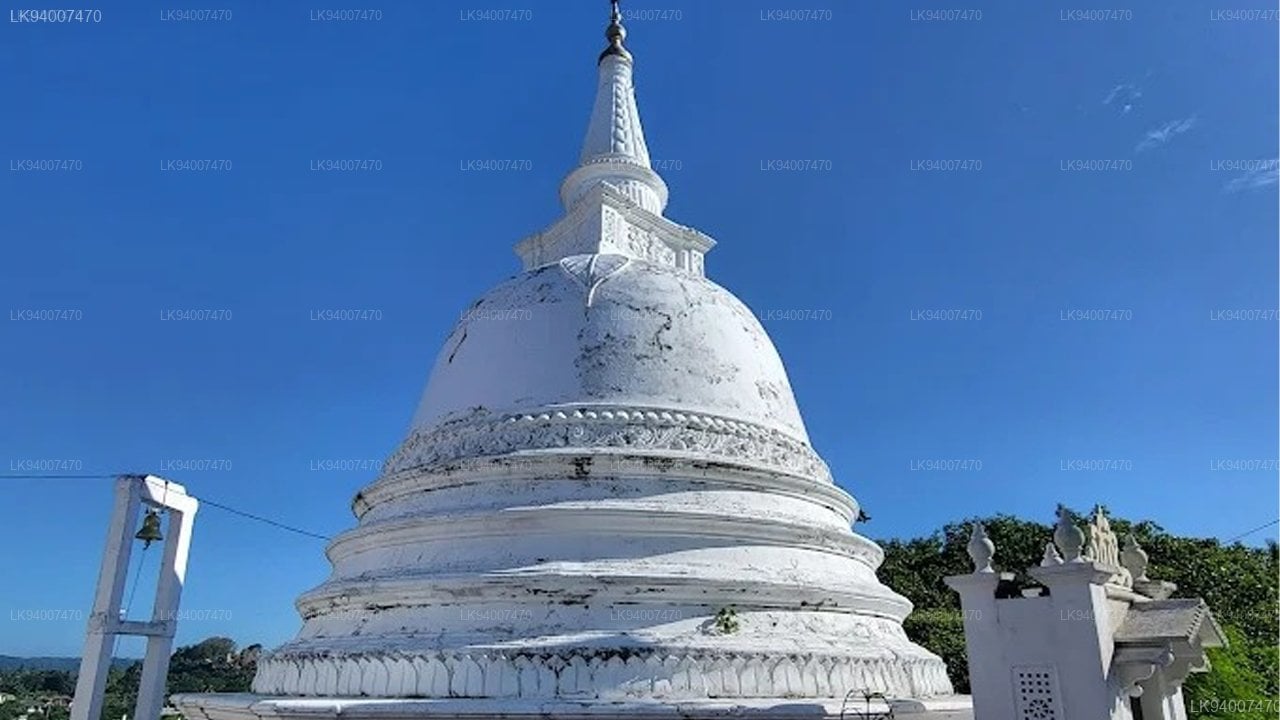
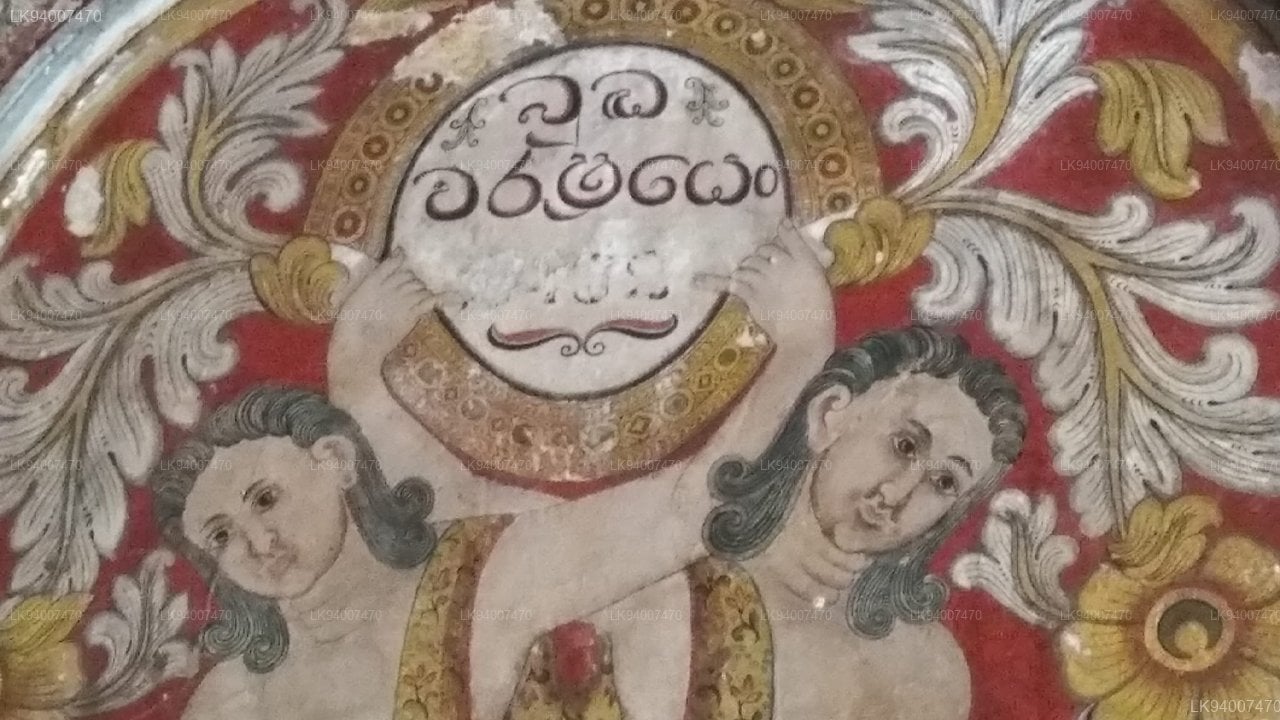
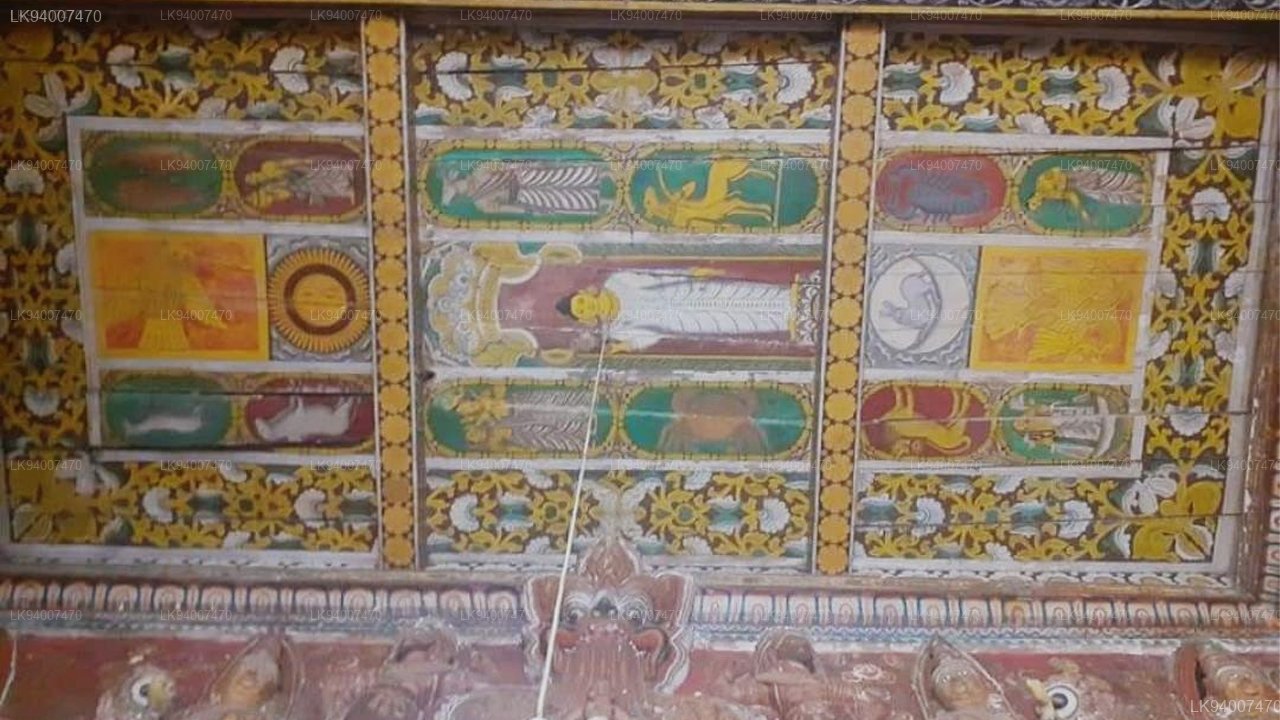
The devalaya is an architectural marvel, combining traditional Sri Lankan design elements with intricate carvings and colorful murals that depict stories of the deity and local legends. The shrine is surrounded by lush greenery, creating a serene and peaceful atmosphere for visitors. The stunning wooden doors, stone pillars, and the sacred altar reflect the craftsmanship and devotion of those who built and maintained this holy site.
Rituals and Festivals
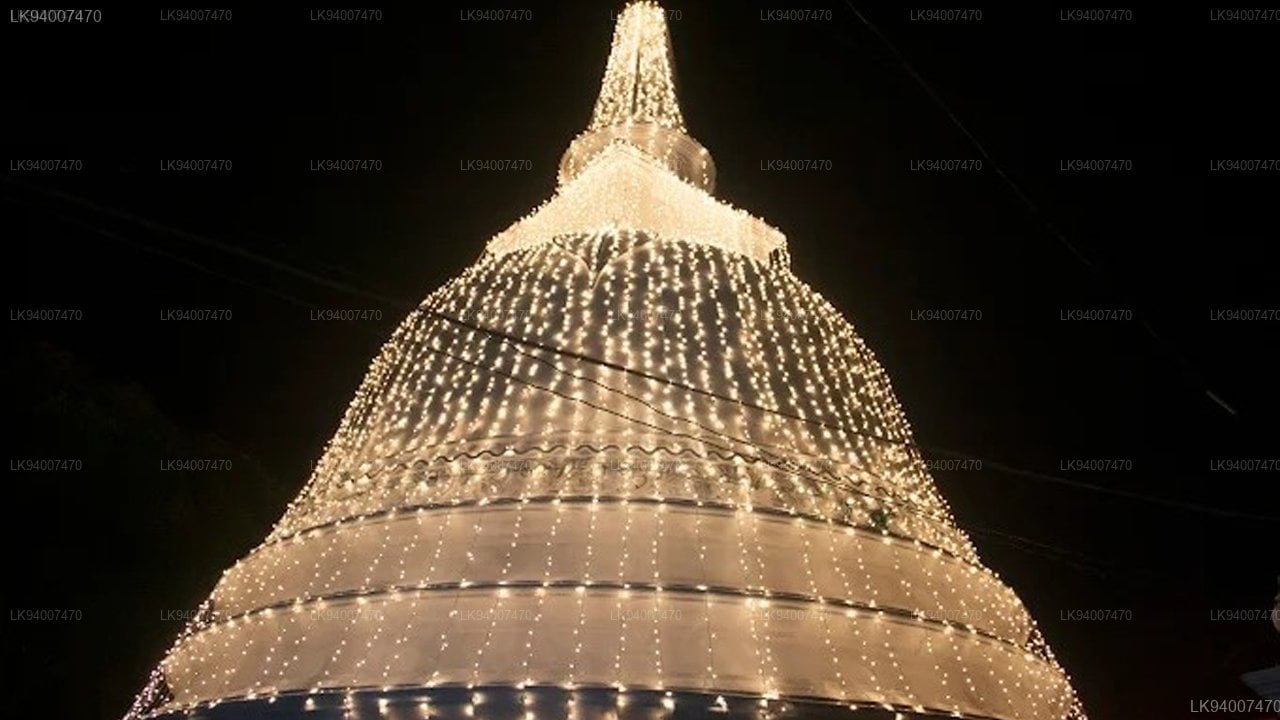
The Koggala Irugal Devalaya is renowned for its vibrant rituals and annual festivals that attract pilgrims from all walks of life. The most notable event is the Perahera, a grand procession featuring traditional drummers, dancers, and beautifully adorned elephants, symbolizing the deep-rooted cultural and spiritual heritage of the area. Devotees gather to offer flowers, light oil lamps, and participate in special poojas (prayer rituals) seeking blessings for health, prosperity, and success.
Spiritual Experience
For those visiting Koggala, the devalaya offers a unique spiritual experience. The soothing chants, the aroma of incense, and the sense of devotion create an ambiance of peace and tranquility. Visitors are encouraged to participate in the rituals, seek blessings, and immerse themselves in the rich cultural tapestry of Sri Lanka.
How to Visit
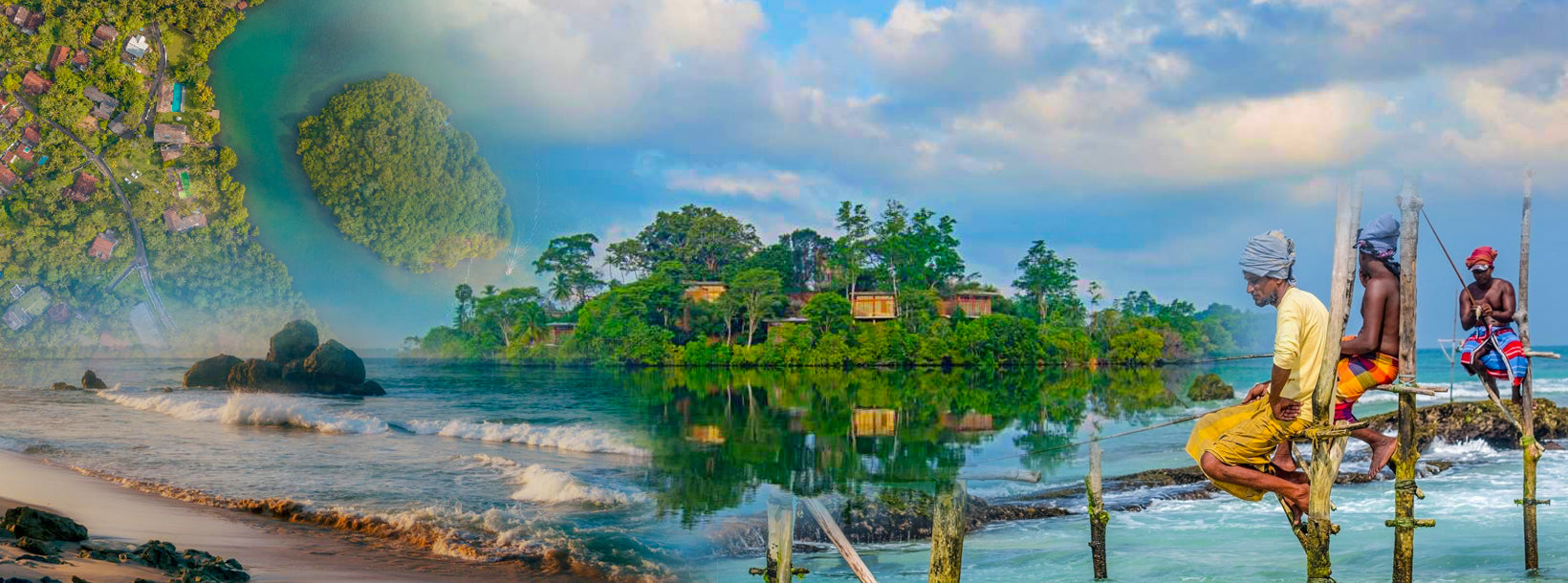
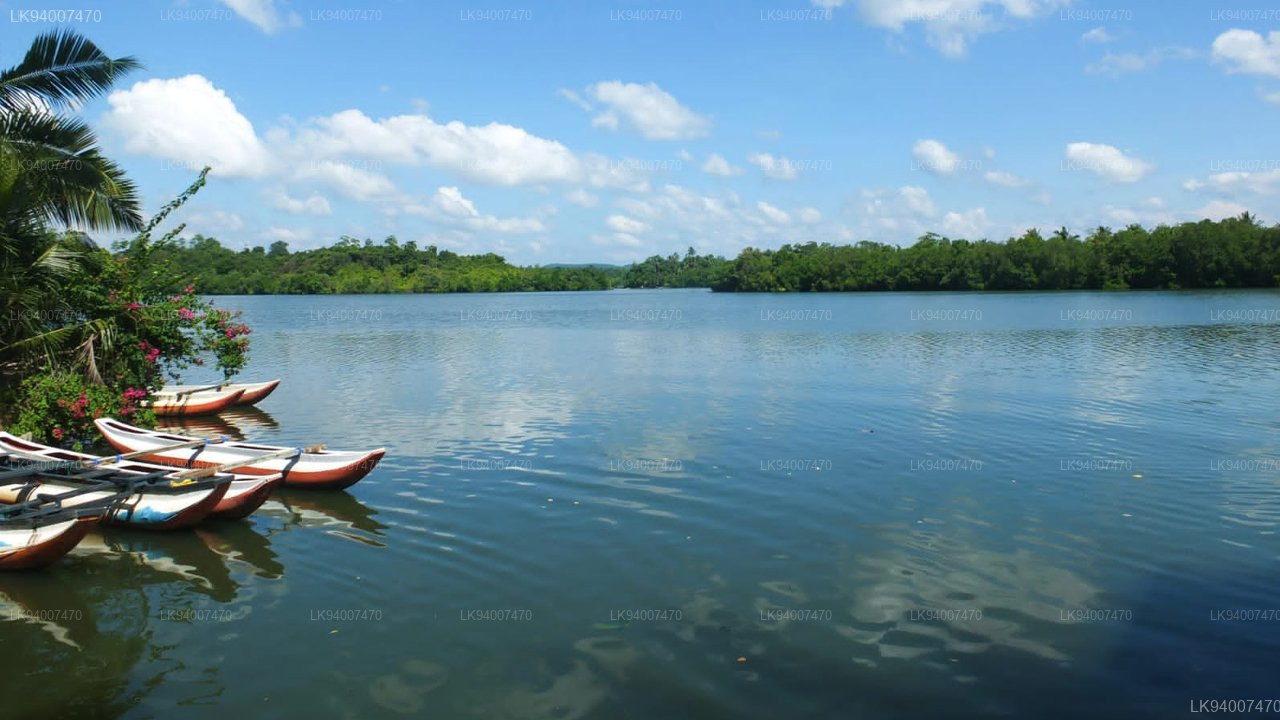
The Koggala Irugal Devalaya is conveniently located near the Koggala Lake and can be easily accessed from Galle or Matara. Visitors are advised to dress modestly and respect the customs of the shrine. The devalaya is open year-round, but the best time to visit is during festival periods, when the temple comes alive with vibrant celebrations.
Preserving a Cultural Treasure
The Koggala Irugal Devalaya is more than just a place of worship—it is a cultural treasure that embodies the heart and soul of Sri Lanka's heritage. Efforts are ongoing to preserve its historical and spiritual significance, ensuring that future generations can continue to connect with its profound legacy.