
Lagoon Fishing


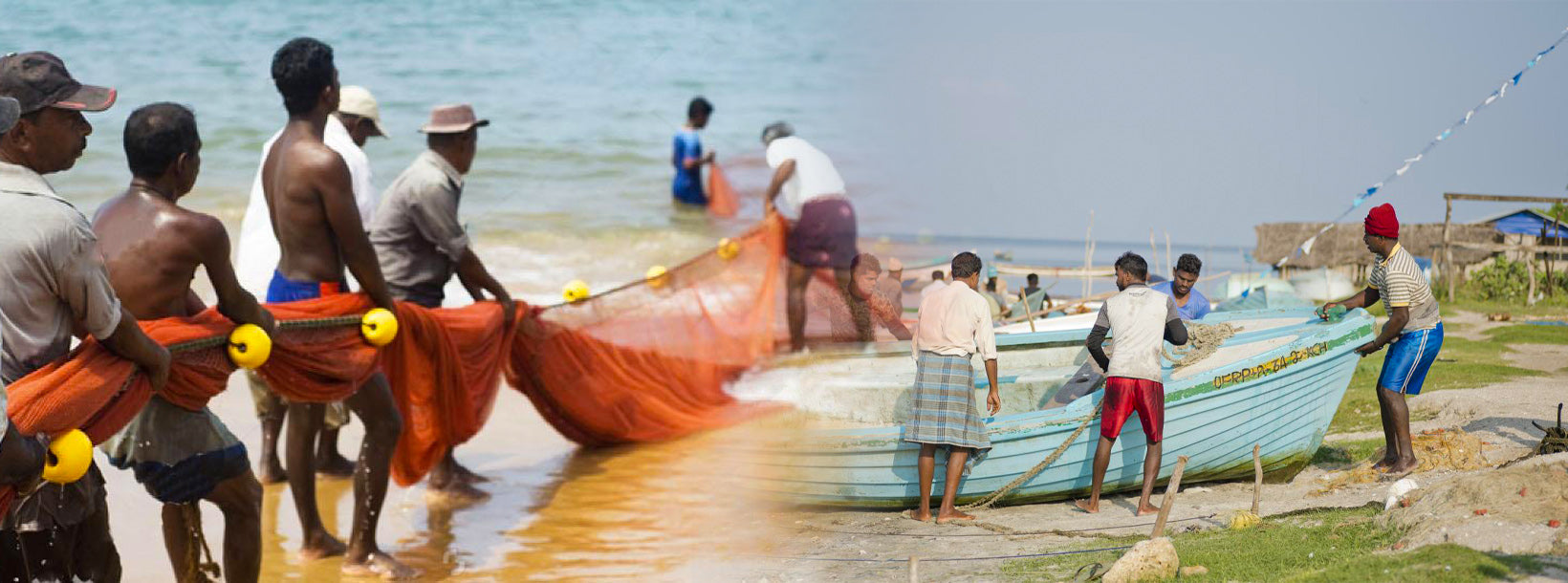
Lagoon fishing in Sri Lanka is a traditional and culturally rich practice that continues to play a significant role in the livelihoods of coastal communities. The island nation is dotted with numerous lagoons along its coastline, from the Jaffna Peninsula in the north to the southern regions near Galle and Matara. These brackish water bodies, where freshwater from rivers meets the sea, create an ideal habitat for a variety of fish and crustaceans, making them highly productive fishing grounds. For generations, local fishermen have relied on lagoons not only for sustenance but also as a source of income, passing down their knowledge and techniques through families.
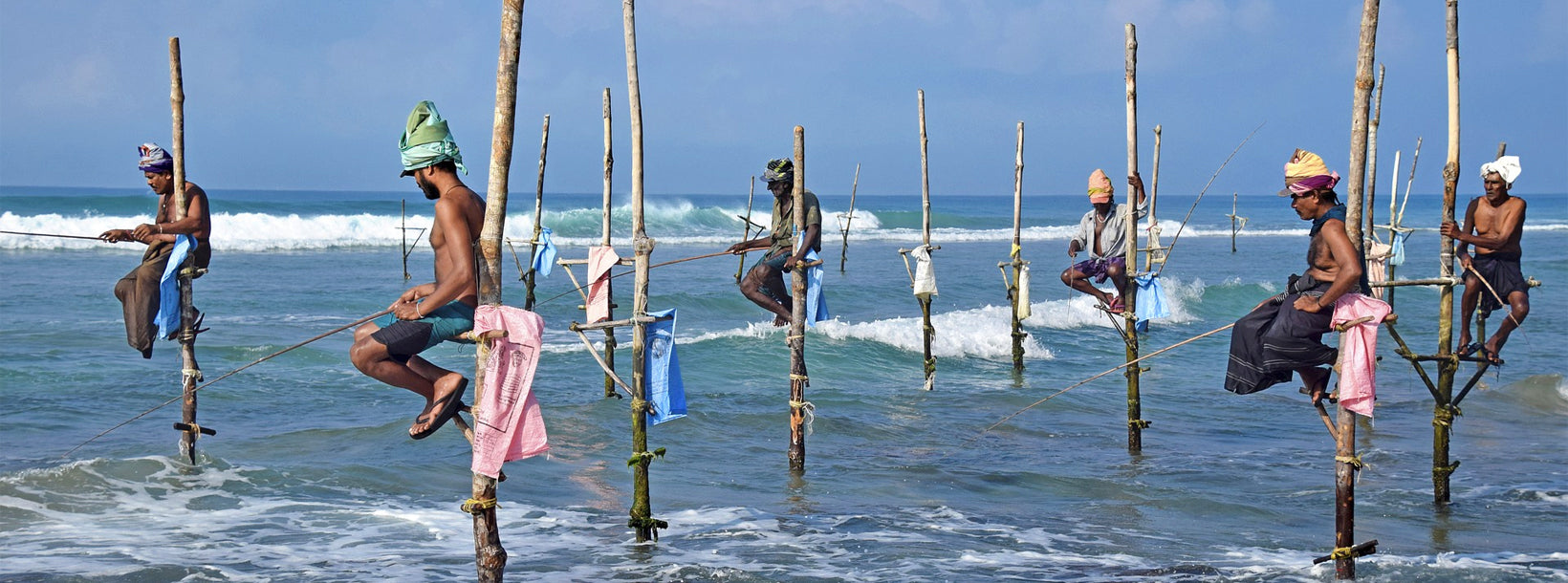
The techniques used in lagoon fishing in Sri Lanka are diverse and often tailored to the specific characteristics of each lagoon. Traditional methods include the use of small canoes, known locally as oruwa, equipped with nets, traps, or hand lines. Cast nets are commonly used to catch smaller fish such as mullet and milkfish, while larger fish and crabs may be trapped using fixed basket traps strategically placed near lagoon inlets. In some regions, fishermen also use stilt fishing techniques to target specific species, balancing skill and patience. Modern fishing practices have gradually made their way into these communities, with motorized boats and improved net designs increasing efficiency, though many still maintain traditional methods to preserve sustainability and respect the delicate lagoon ecosystems.
Ecologically, Sri Lanka's lagoons are home to not only fish but also a variety of bird species and mangroves that play a crucial role in maintaining water quality and biodiversity. The health of these lagoons directly impacts the success of fishing activities. Overfishing, pollution, and habitat destruction are growing concerns, prompting some communities to adopt more sustainable practices. Cooperative management of lagoon resources, seasonal fishing restrictions, and careful monitoring of catch sizes are increasingly being encouraged to ensure that lagoon fishing can continue to support local communities for generations to come.
Beyond economic and ecological aspects, lagoon fishing holds cultural and social significance. Festivals and community gatherings often revolve around the fishing calendar, highlighting the interconnectedness of Sri Lanka's coastal communities with their environment. Tourists visiting coastal towns also have the opportunity to witness or participate in lagoon fishing, offering them a glimpse into a way of life that has remained remarkably resilient amidst modern changes.


