




Paragliding


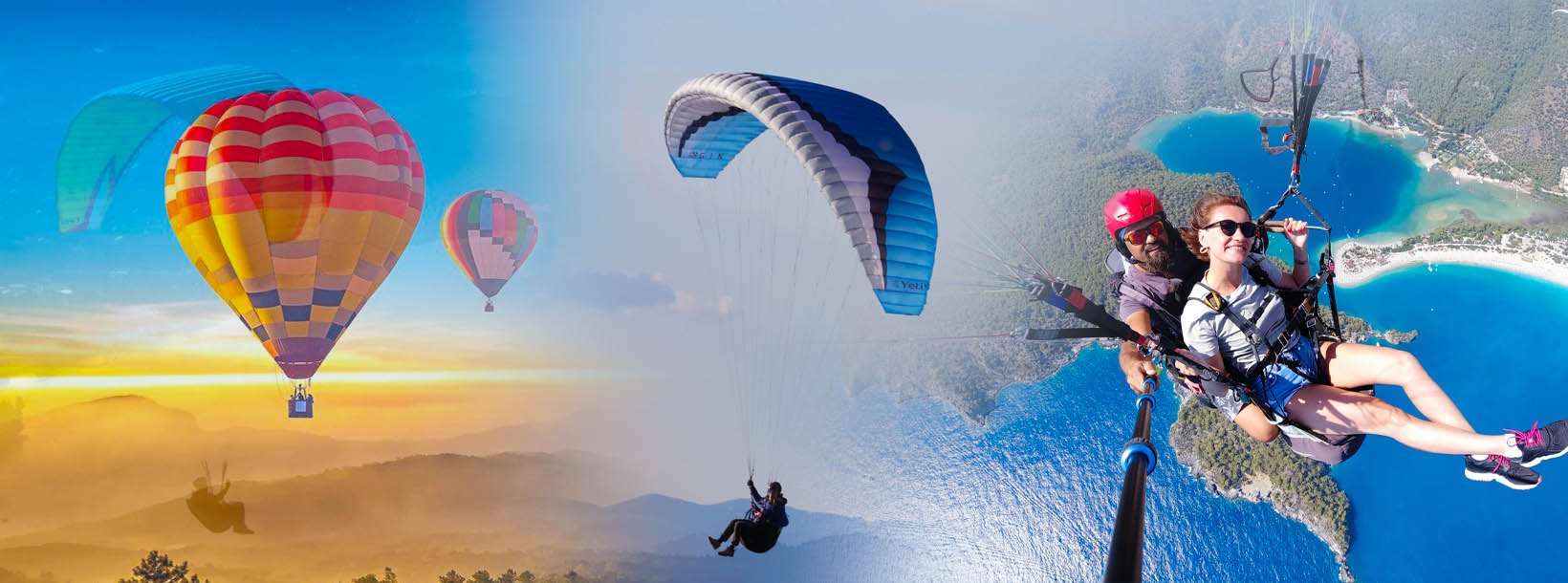
Paragliding is the recreational and competitive adventure sport of flying paragliders: lightweight, free-flying, foot-launched glider aircraft with no rigid primary structure. The pilot sits in a harness or lies supine in a cocoon-like 'pod' suspended below a fabric wing. Wing shape is maintained by the suspension lines, the pressure of air entering vents in the front of the wing, and the aerodynamic forces of the air flowing over the outside.
Despite not using an engine, paraglider flights can last many hours and cover many hundreds of kilometres, though flights of one to two hours and covering some tens of kilometres are more the norm. By skillful exploitation of sources of lift, the pilot may gain height, often climbing to altitudes of a few thousand metres.
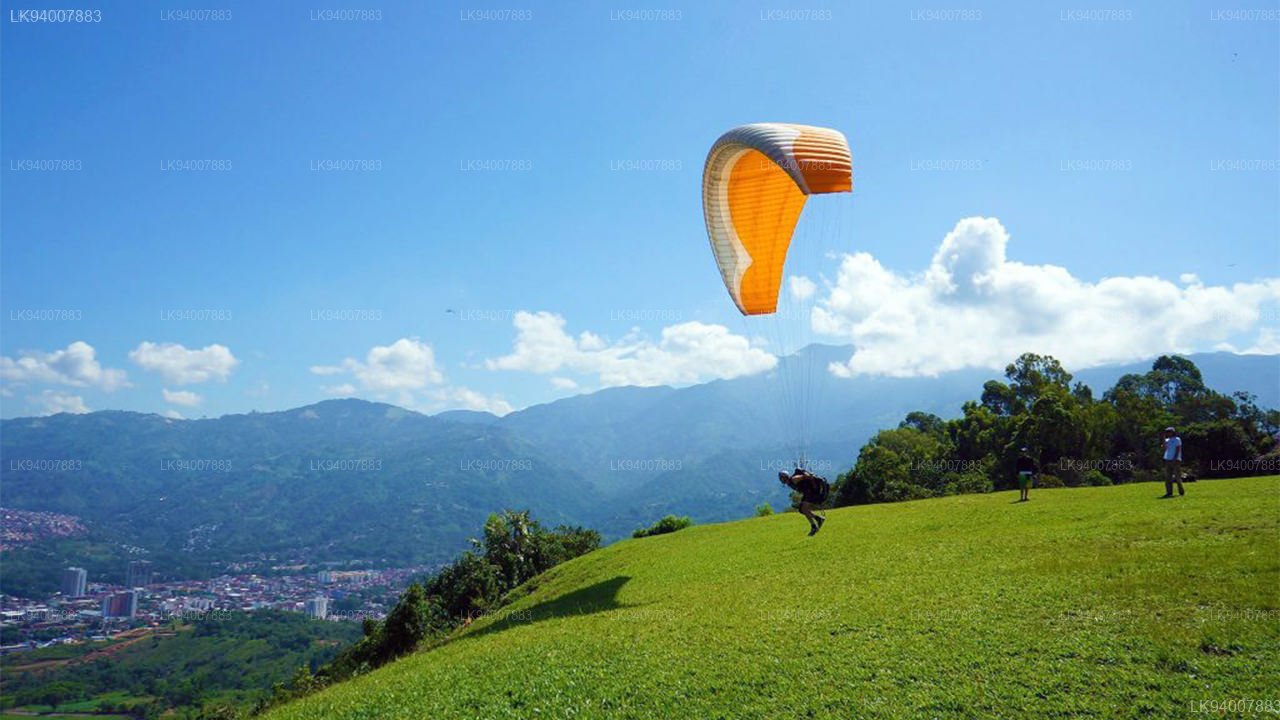
Paragliders usually launch from elevated ground like a hill or a mountain, or in naturally windy places like valleys or large bodies of water. You should have an open area free of obstacles like telephone poles or excessive trees, with sufficient wind to raise your paraglider. Knowing how to maneuver in the right wind conditions is key to successfully paragliding. Ridge lifts, thermal air columns, and wave lifts are the main type of wind forces keeping the paraglider aloft. Under the right conditions, paragliders can soar for hours at a time.
History
Paragliding got its start in 1960s, when Domina Jalbert invented a special kind of rectangular chute called a parafoil, how paragliding got its name. The parafoil was broken up into cells that allowed the wind to pass through and carry someone a long distance, allowing a glide. It was formalized as a sport after 1978 when three friends in France took off from a mountain and captured popular interest. Paragliding continued to grow in popularity, spreading throughout Europe and to the United States till there were a number of competitions taking root in the 90s.


