
Phyllanthus polyphyllus
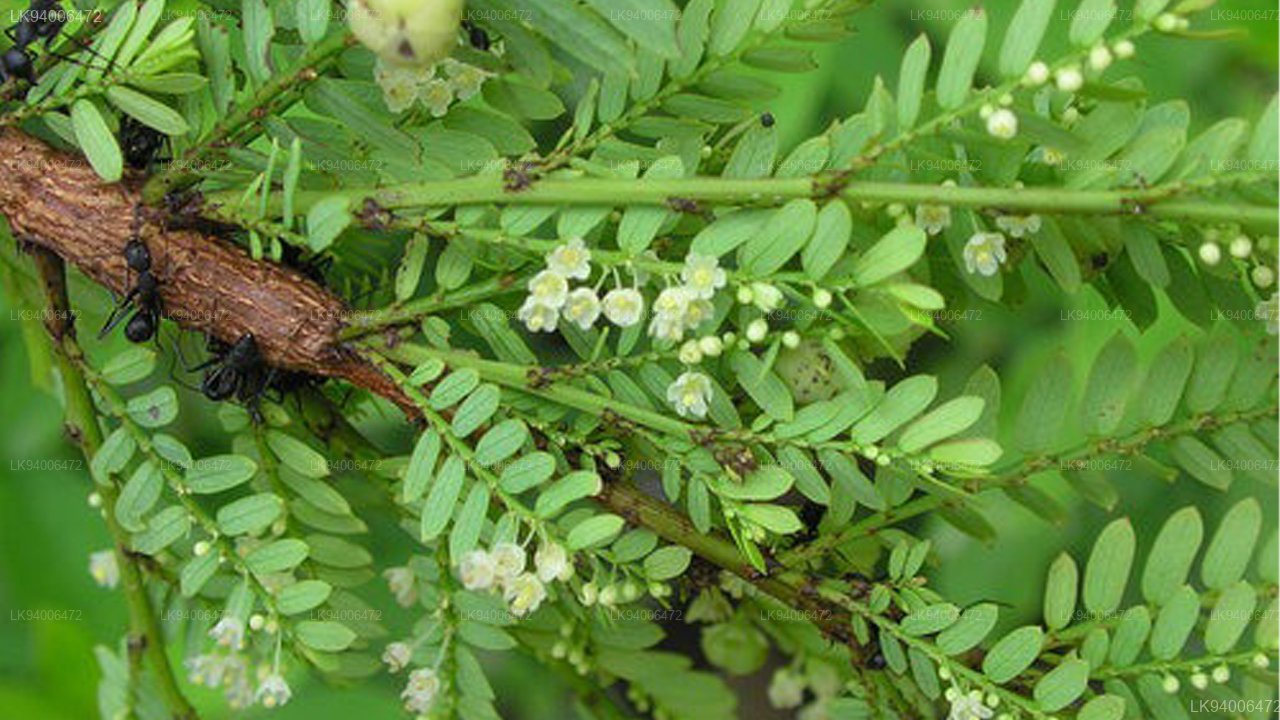
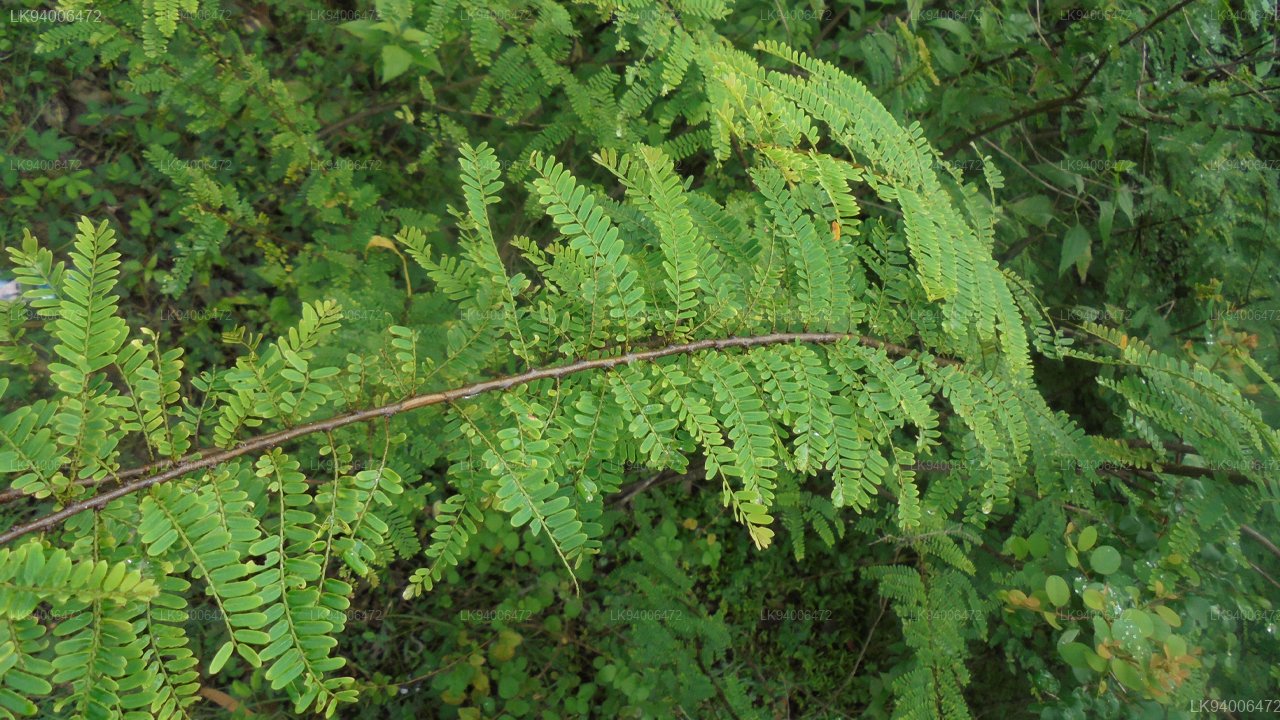
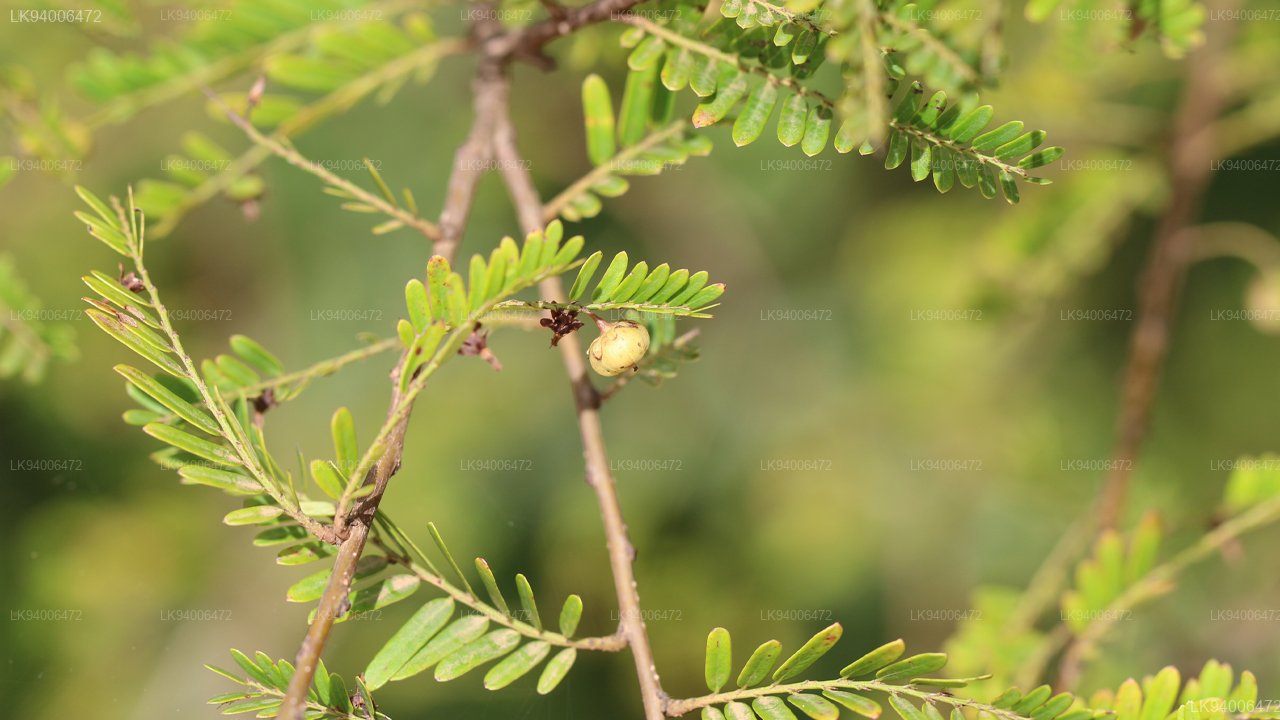
Phyllanthus polyphyllus is a perennial shrub belonging to the Phyllanthaceae family, native to India and Sri Lanka. Commonly known as "Sirunelli" in traditional medicine, it typically grows up to 3 meters in height. The plant features slender, woody branches and small, linear-oblong leaves. Its flowers are minute and unisexual, with male and female flowers occurring on the same plant (monoecious). The plant thrives in dry, rocky soils and is often found in open grasslands and forest edges.
In traditional Ayurvedic practices, the leaves of Phyllanthus polyphyllus are utilized for their hepatoprotective properties, particularly in the treatment of liver disorders. The plant is also employed in managing conditions such as jaundice, diabetes, and urinary tract infections. Its use extends to addressing digestive issues and as a general tonic to promote overall health.
Phytochemical analyses have revealed that Phyllanthus polyphyllus contains various bioactive compounds, including lignans, flavonoids, and tannins. These constituents contribute to its antioxidant, anti-inflammatory, and antimicrobial activities. Studies have indicated that extracts from the plant exhibit significant antifungal and anti-aflatoxigenic properties, suggesting its potential in food preservation and as a natural remedy for fungal infections.
Despite its traditional uses and promising pharmacological activities, further scientific research is necessary to fully understand the efficacy and safety of Phyllanthus polyphyllus in clinical settings. As with any medicinal plant, it is important to consult healthcare professionals before using it for therapeutic purposes.
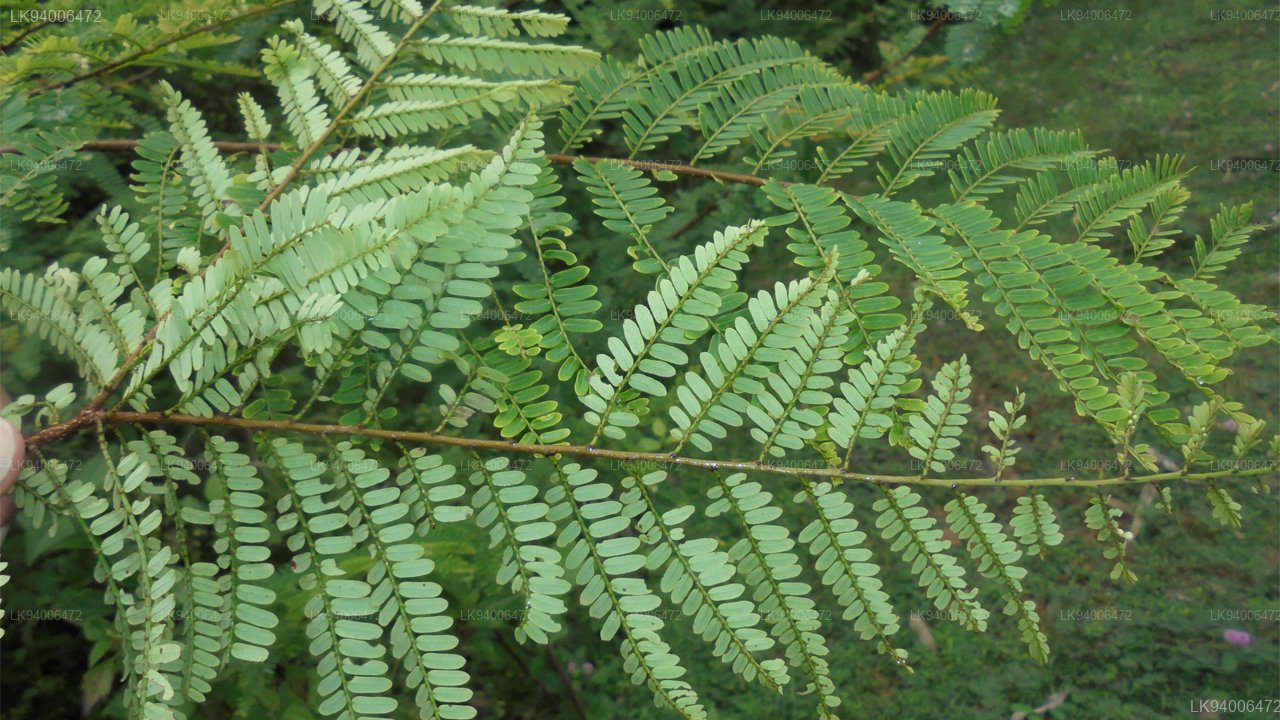
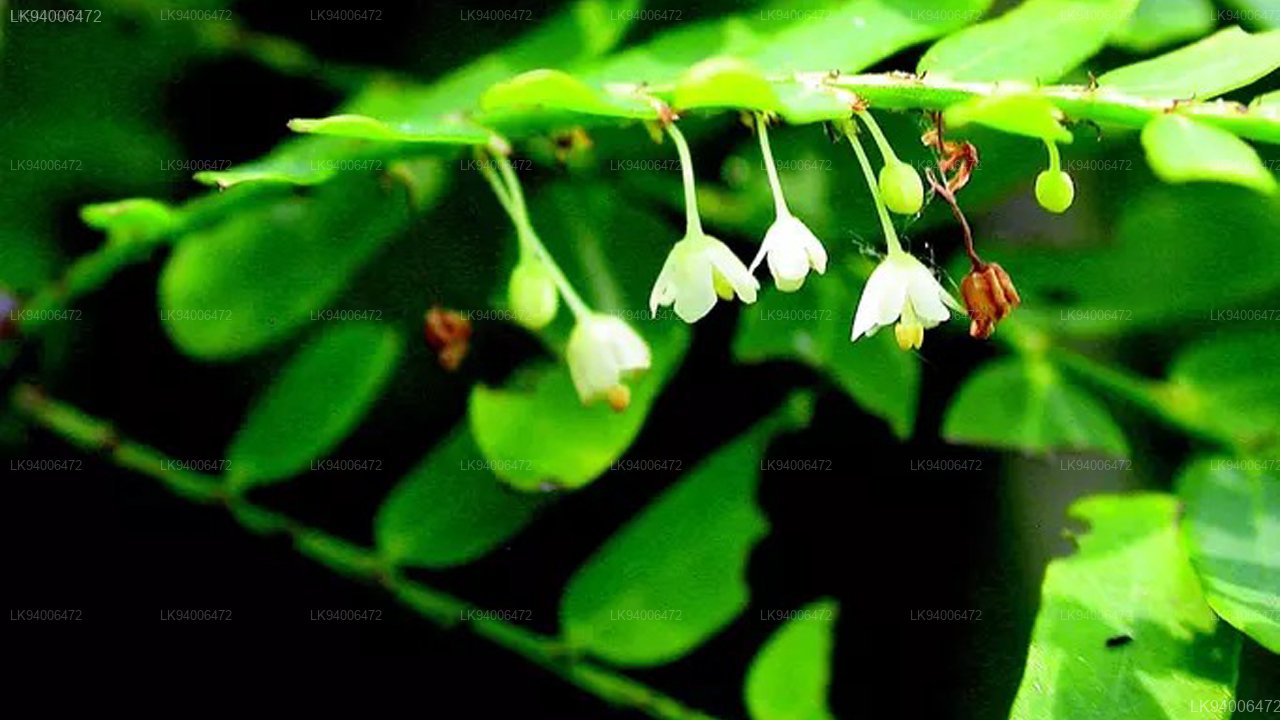
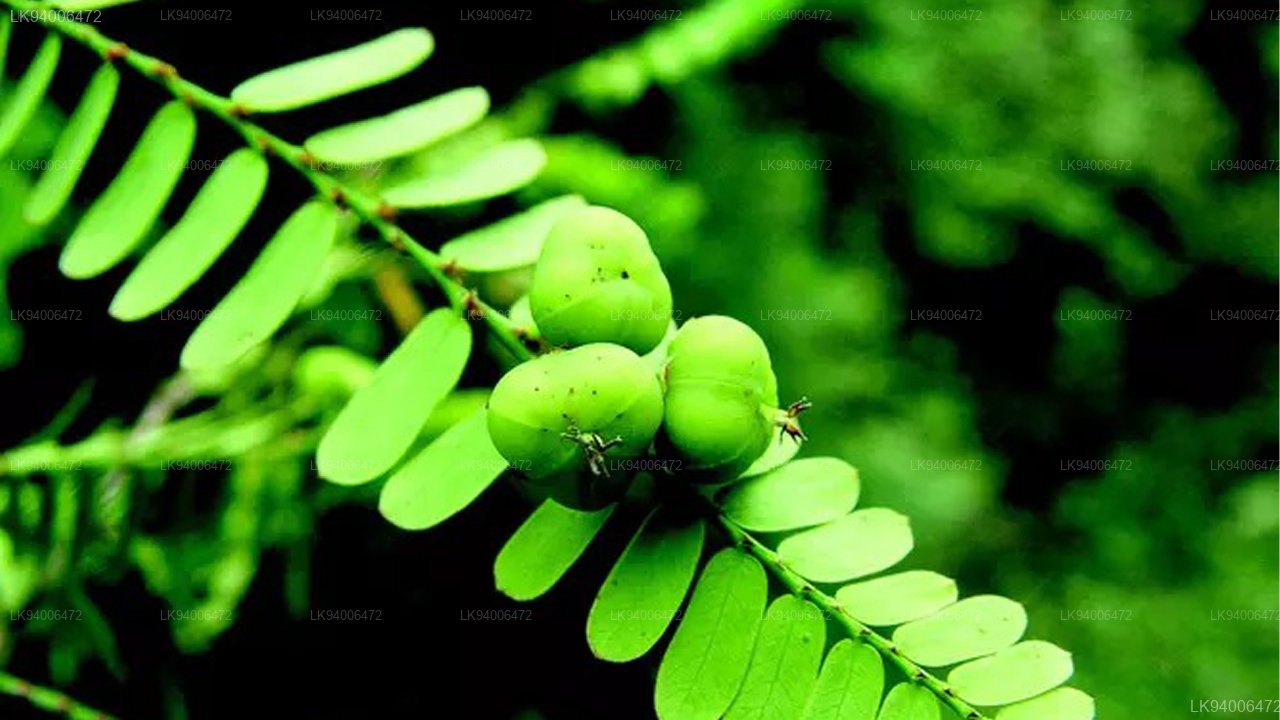
-

Claw-flowered laurel
Acronychia pedunculata -

Bael
Aegle marmelos -

Leichhardt tree
Nauclea orientalis -

False Calumba
Coscinium fenestratum -

Malabar Gulbel
Tinospora malabarica -

Titberry
Allophylus cobbe -

Ironwood Tree
Memecylon capitellatum -

Velvet Leaf
Cissampelos pareira -

Bitter orange
Citrus aurantium -

Reinwardt's Tree Plant
Biophytun reinward -

Fukien tea
Carmona microphylla -

Malabar tamarind
Garcinia cambogia -

Curry leaf tree
Murraya koenigii -

Kappetiya
Croton laccifer -

Indian lilac
Azadirachta indica -

Spiny sida
Sida alba -

Orange climber
Toddlia asiatica -

Ceylon cinnamon
Cinnamomum zeylanicum -

Jackfruit
Artocarpus heterophyllus -

Karonda
Carissa carandas -

Spanish cherry
Mimusops elengi -

Indian gooseberry
Phyltanthus emblica -

Betel palm
Areca catechu -

Jungle geranium
Ixora coccinea -

Sage-leaved alangium
Alangium salviifolium -

Champak
Michelia champaca -

Tamarind
Tamarindus indica -

False Black Pepper
Embelia ribes -

Limeberry
Micromelum ceylanicum -

Climbing Atalantia
Paramignya monophylla


Ayurvedic and Herbal
-
Siddhalepa Ayurveda Herbal Balm
Regular price From $0.50 CADRegular price$0.60 CADSale price From $0.50 CADSale -
Link Swastha Triphala
Regular price From $2.28 CADRegular price$2.44 CADSale price From $2.28 CADSale -
Lakpura® Wildcrafted Soursop (Guanabana, Graviola, Guyabano) Dehydrated Leaves Whole
Regular price From $0.95 CADRegular price$1.02 CADSale price From $0.95 CADSale -
Sethsuwa Pranajeewa Oil
Regular price From $3.80 CADRegular price$4.06 CADSale price From $3.80 CADSale


