Red Slender Loris
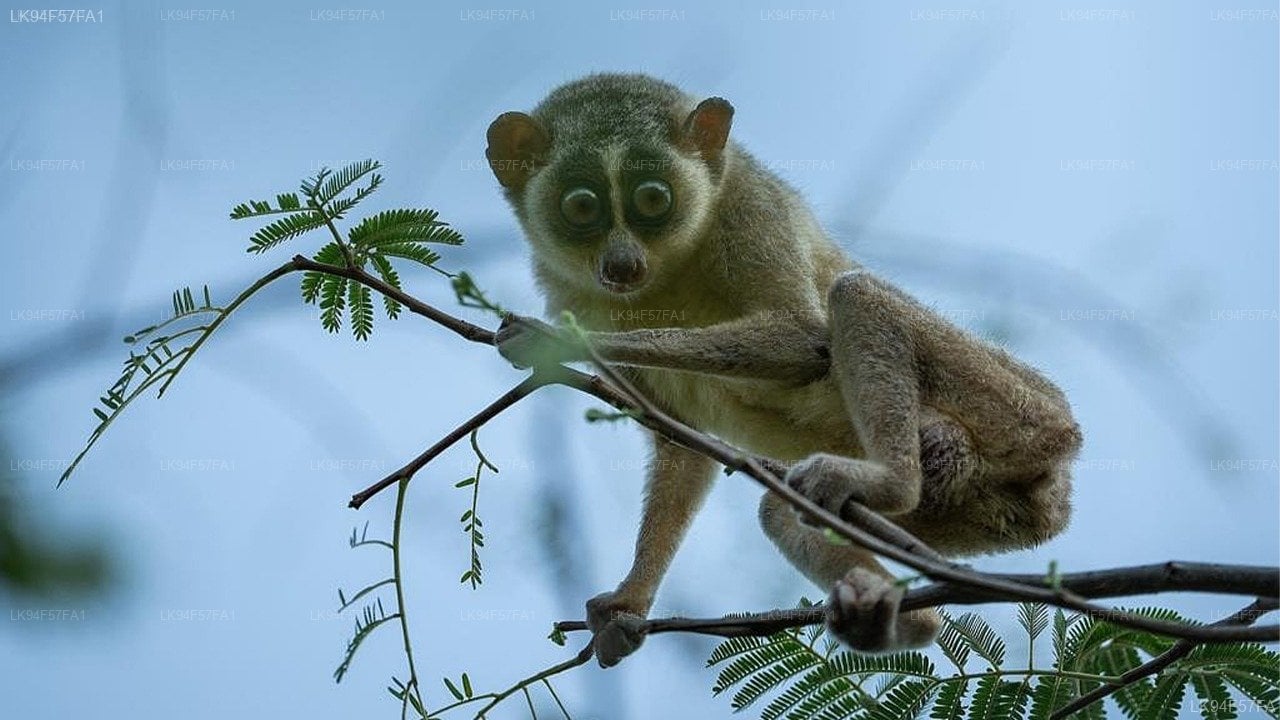
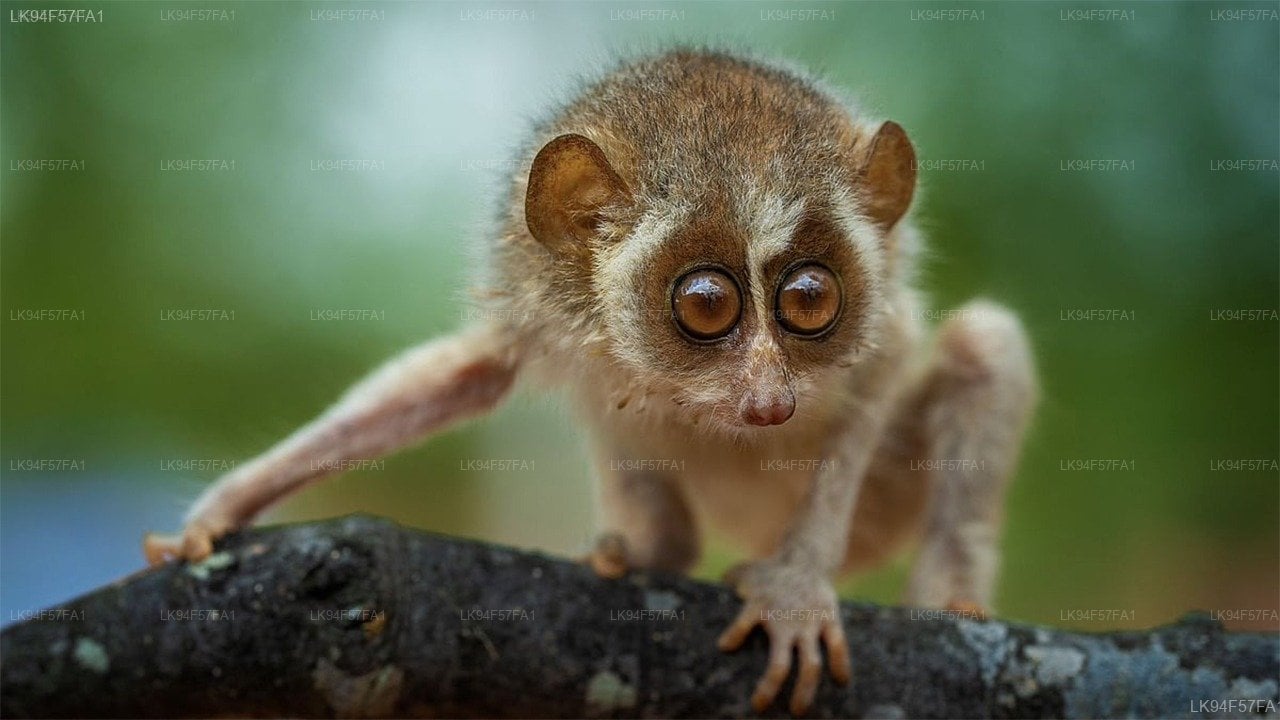
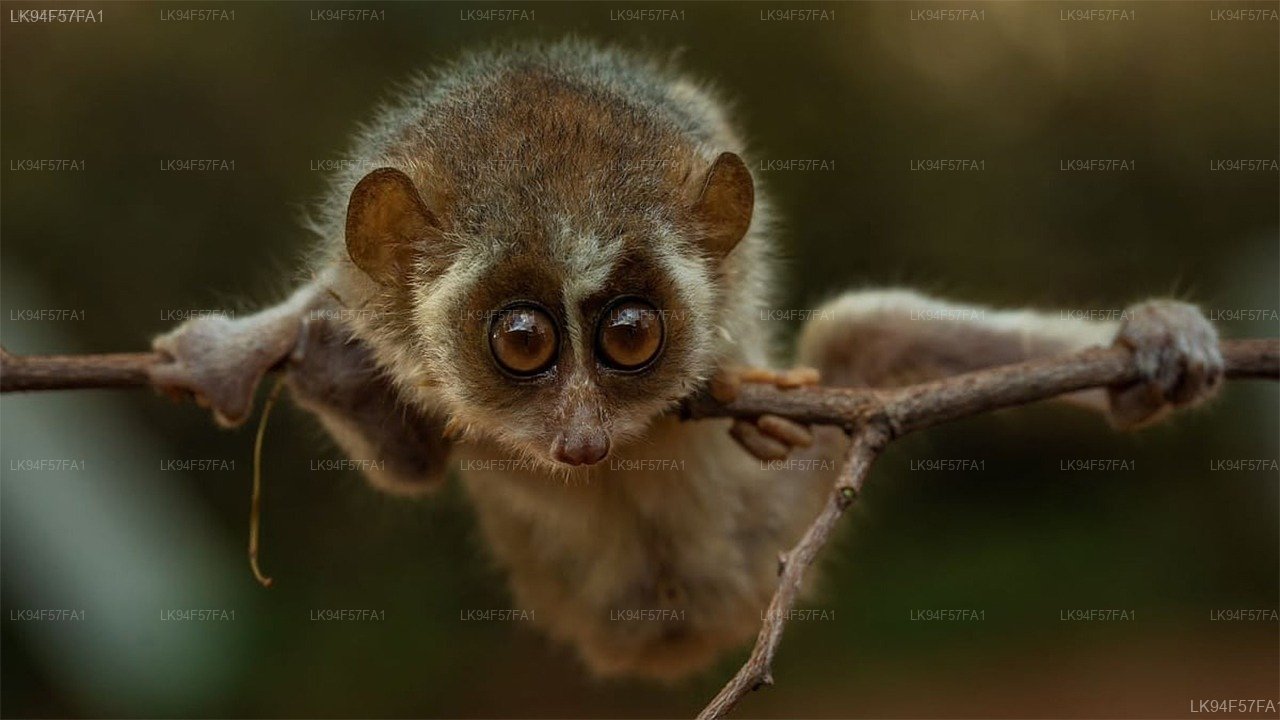
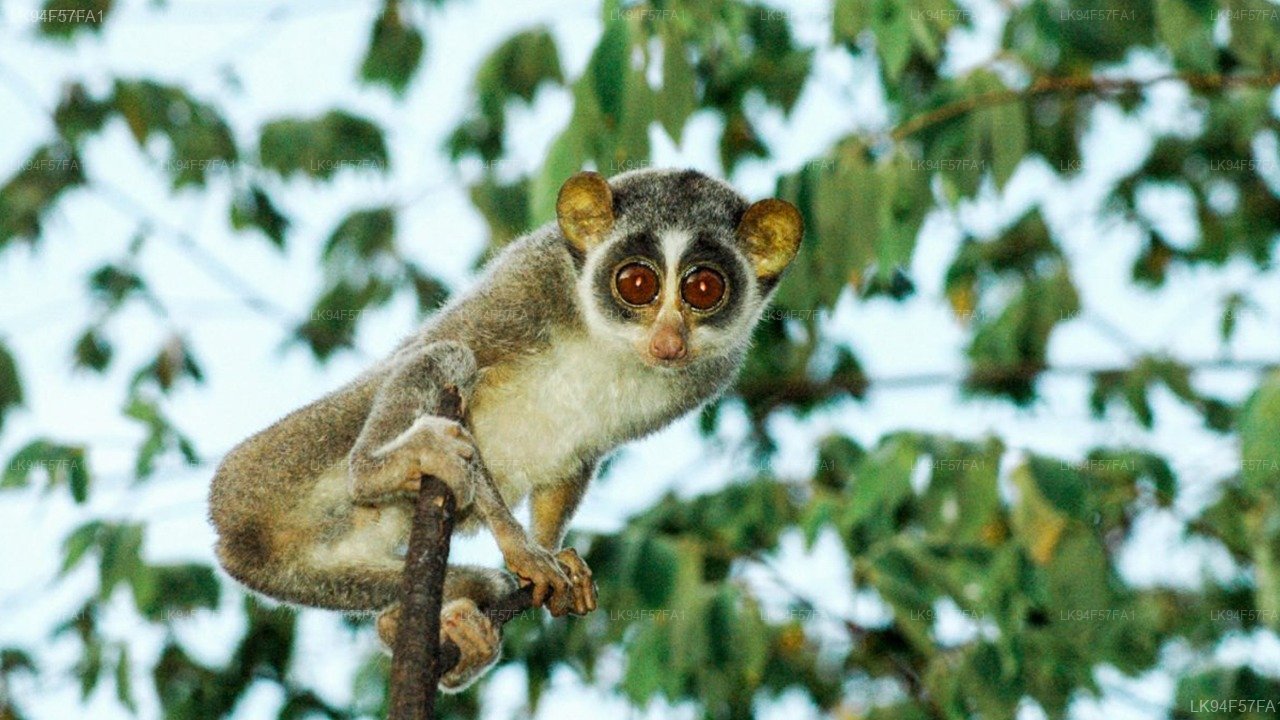
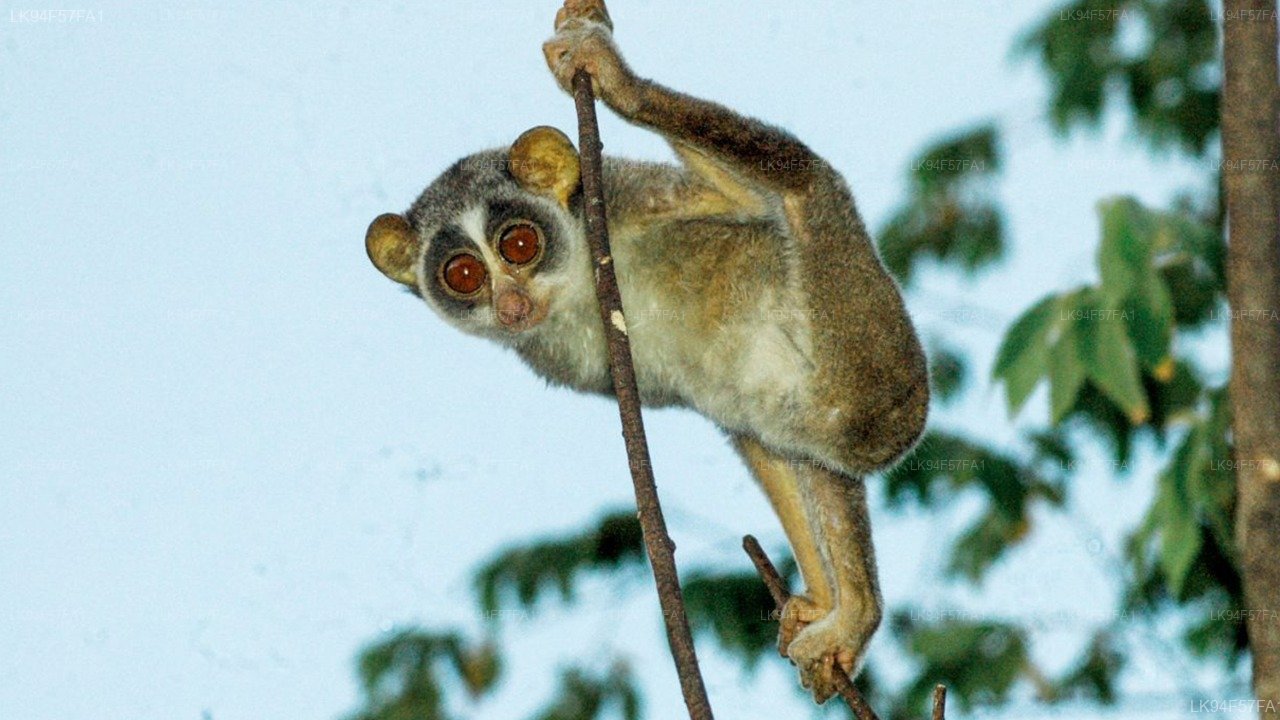
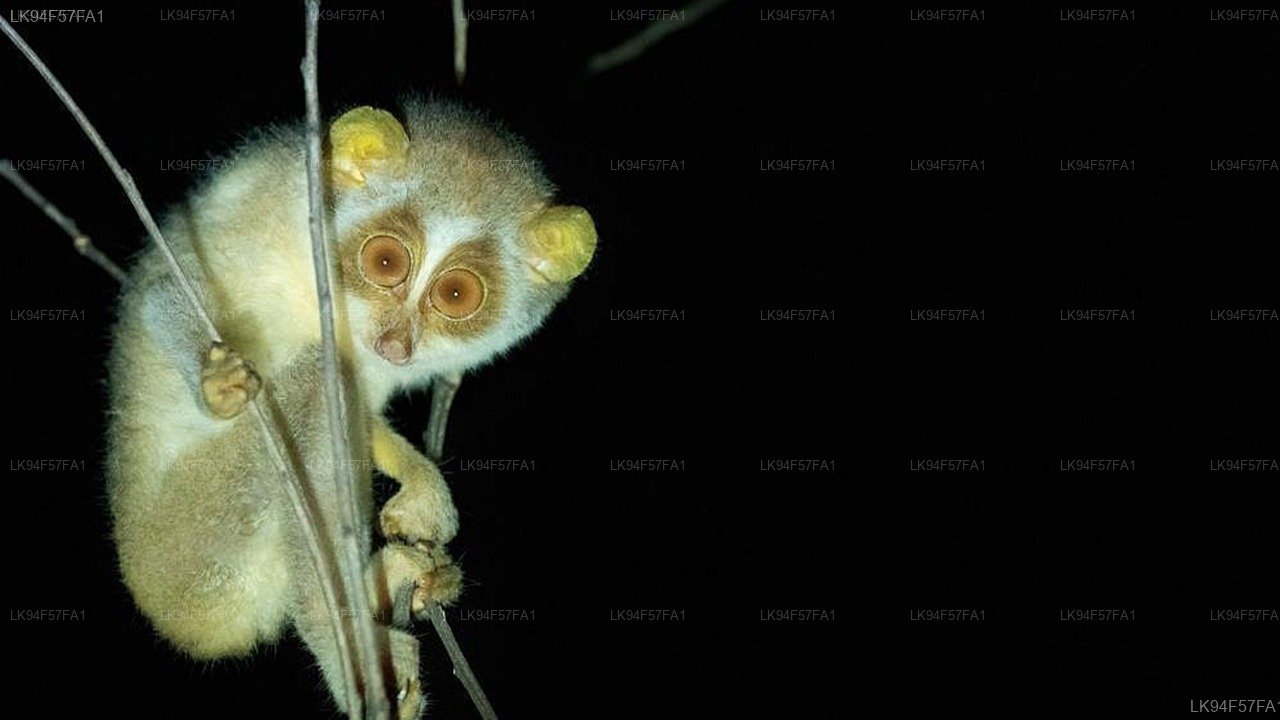
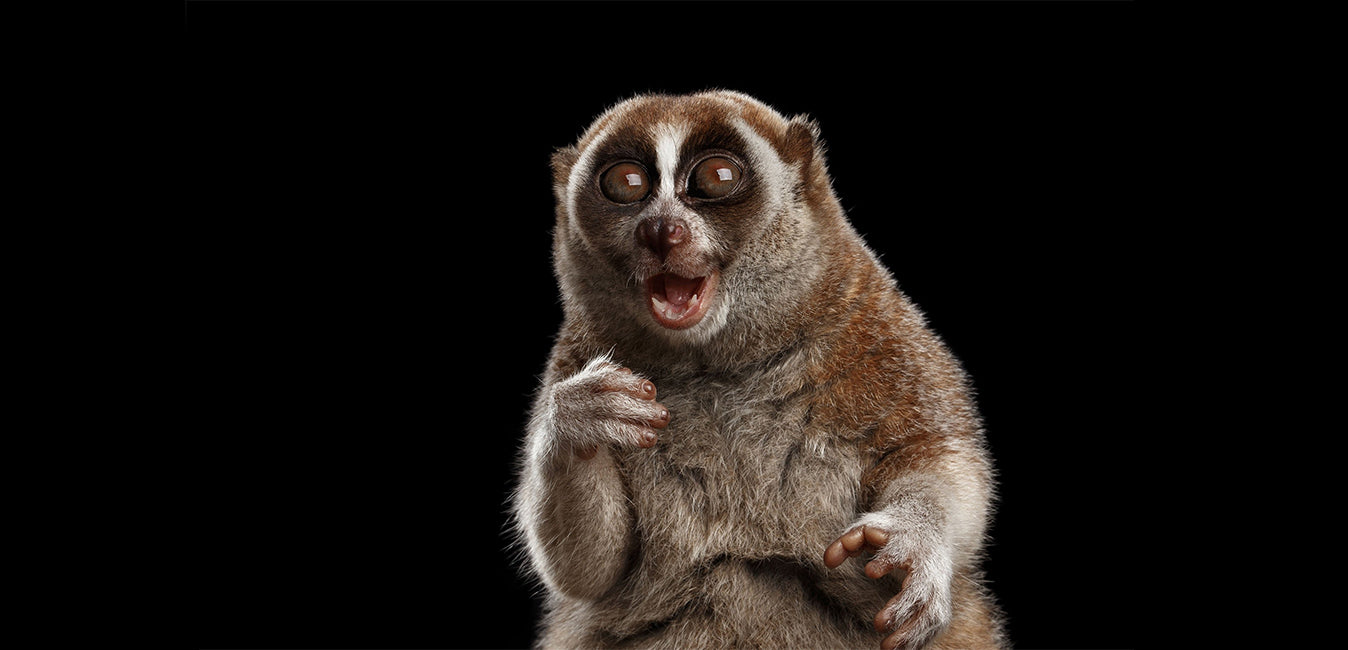
The Red Slender Loris (Loris tardigradus) is a small, nocturnal primate endemic to the wet-zone forests of Sri Lanka. Recognizable by its reddish-brown coat, large forward-facing eyes, and delicate build, this species is perfectly adapted to a life among the dense canopy and undergrowth. Its distinctive eyes provide exceptional night vision, allowing it to navigate and hunt insects in darkness. Despite its small size, typically weighing between 100–200 grams, the Red Slender Loris demonstrates remarkable agility and precision in its movements, using its long limbs and grasping hands to climb branches silently and efficiently.
In Sri Lanka, the Red Slender Loris inhabits tropical rainforests, secondary forests, and even some home gardens near forest edges. Regions such as Sinharaja, Kanneliya, and Knuckles Mountain Range serve as vital habitats, providing both food and shelter. Its diet primarily consists of insects, small vertebrates, nectar, and fruits, making it an important ecological player in controlling insect populations and aiding in pollination. The loris is mostly solitary or found in small family groups and exhibits slow, deliberate movements, which make it both an elusive and fascinating species for wildlife enthusiasts and researchers.
Unfortunately, the Red Slender Loris is classified as an endangered species in Sri Lanka. Habitat destruction due to deforestation, agricultural expansion, and urbanization has severely reduced its population. Additionally, illegal wildlife trade and local superstitions, where lorises are sometimes kept as pets or used in traditional remedies, further threaten their survival. Conservation efforts have been implemented to protect this unique primate, including habitat preservation, awareness campaigns, and research initiatives to monitor populations and their behavior. Local and international organizations emphasize the importance of community involvement to mitigate threats, promote coexistence, and ensure that the Red Slender Loris continues to thrive in its natural environment.
Culturally, the Red Slender Loris has also captured the curiosity of Sri Lankans, often appearing in folklore and nature programs highlighting the country’s biodiversity. Its quiet, nocturnal life, combined with its delicate features, makes it a symbol of the hidden wonders of Sri Lanka’s forests. Protecting this species not only preserves ecological balance but also safeguards a living treasure of Sri Lanka’s rich natural heritage. Through combined conservation efforts, research, and community engagement, there is hope that the Red Slender Loris will remain a vital and visible part of Sri Lanka’s unique wildlife landscape.