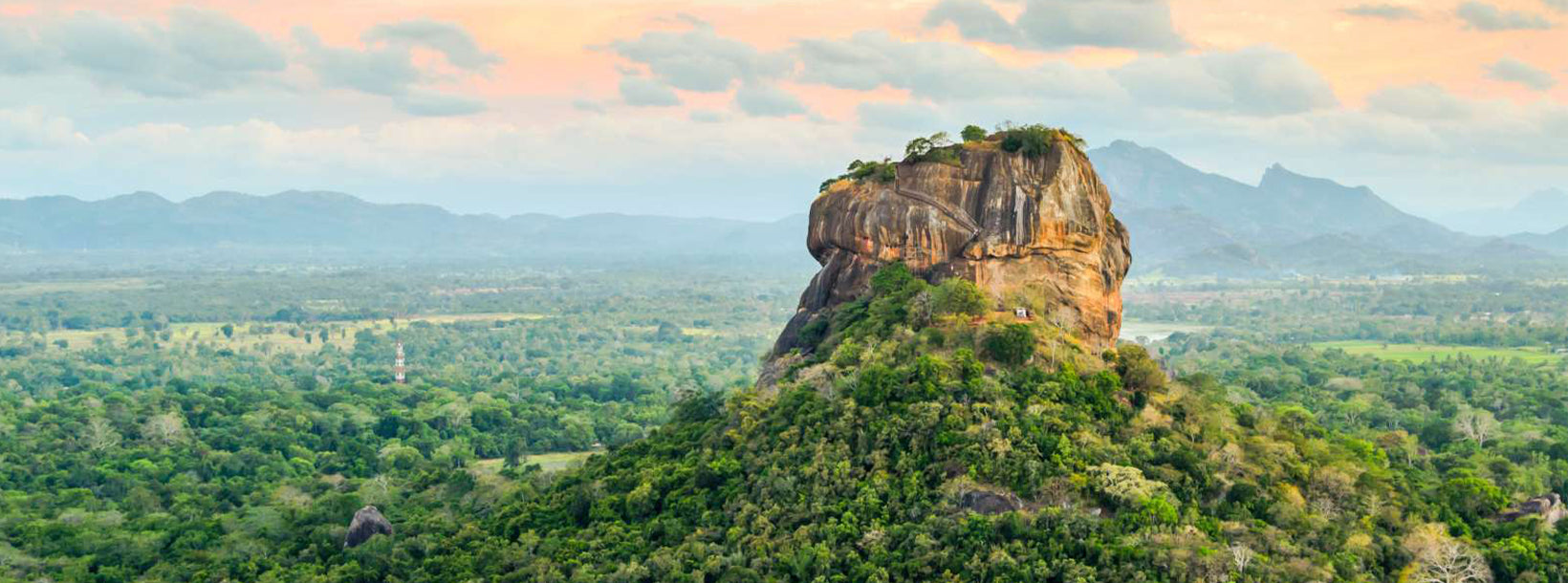
Sigiriya City
Sigiriya, a UNESCO World Heritage Site in Sri Lanka, is an ancient rock fortress and palace with stunning frescoes and extensive gardens. Rising dramatically from the plains, it's a testament to the island's rich history and architectural ingenuity. Explore the enchanting beauty and cultural significance of Sigiriya.
Singhagiri Village Tour
The Singhagiri Village Tour is a unique cultural and ecological experience located in the central region of Sri Lanka, near the famous Sigiriya Rock Fortress. This tour offers an immersive opportunity to explore rural life, local traditions, and the natural beauty surrounding the ancient heritage sites of the region.
During the Singhagiri Village Tour, visitors can enjoy a guided walk through the village, interacting with locals and learning about traditional farming methods, craft-making, and everyday rural life. The tour often includes activities such as tea plucking, rice harvesting, and visiting small-scale farms that produce fresh, organic produce. Visitors may also have the opportunity to participate in a traditional Sri Lankan cooking class or enjoy a home-cooked meal with local families.
The village is surrounded by lush greenery, with beautiful landscapes that include terraced fields, scenic ponds, and wildlife-rich areas. It offers visitors the chance to experience Sri Lanka's rural environment while also learning about its rich cultural heritage. The peaceful, scenic surroundings make this tour a relaxing and enriching way to connect with the island's traditional way of life.
The best time to visit Singhagiri Village is during the dry season from December to April, when the weather is favorable for outdoor activities and sightseeing. Easily accessible from Sigiriya, the tour provides an authentic and memorable experience of Sri Lanka's rural culture and natural beauty.
About Central Provincce
The Central Province of Sri Lanka consists primarily of mountainous terrain. The province has an area of 5,674 km², and a population of 2,421,148. Some major towns include Kandy, Gampola (24,730), Nuwara Eliya and Bandarawela. The population is a mixture of Sinhalese, Tamil and the Moors.
Both the hill capital Kandy and the city of Nuwara Eliya are located within the Central Province as well as Sri Pada. The province produces much of the famous Ceylon tea, planted by the British in the 1860s after a devastating disease killed all the coffee plantations in the province. Central Province attracts many tourists, with hill station towns such as Kandy, Gampola, Hatton and Nuwara Eliya. Temple tooth or Dalada maligawa is the main sacred place in Centrel province.
The climate is cool, and many areas about 1500 meters often have chilly nights. The western slopes are very wet, some places having almost 7000 mm of rain per year. The eastern slopes are parts of the mid-dry zone as it is receiving rain only from North-Eastern monsoon. The Temperatures range from 24°C at Kandy to just 16°C in Nuwara Eliya, which is located 1,889 m above sea level. The highest mountains in Sri Lanka are located in the Central Province. The terrain is mostly mountainous, with deep valleys cutting into it. The two main mountain regions are the central massif and the Knuckles range to the east of Kandy.