St. Anne's Reef
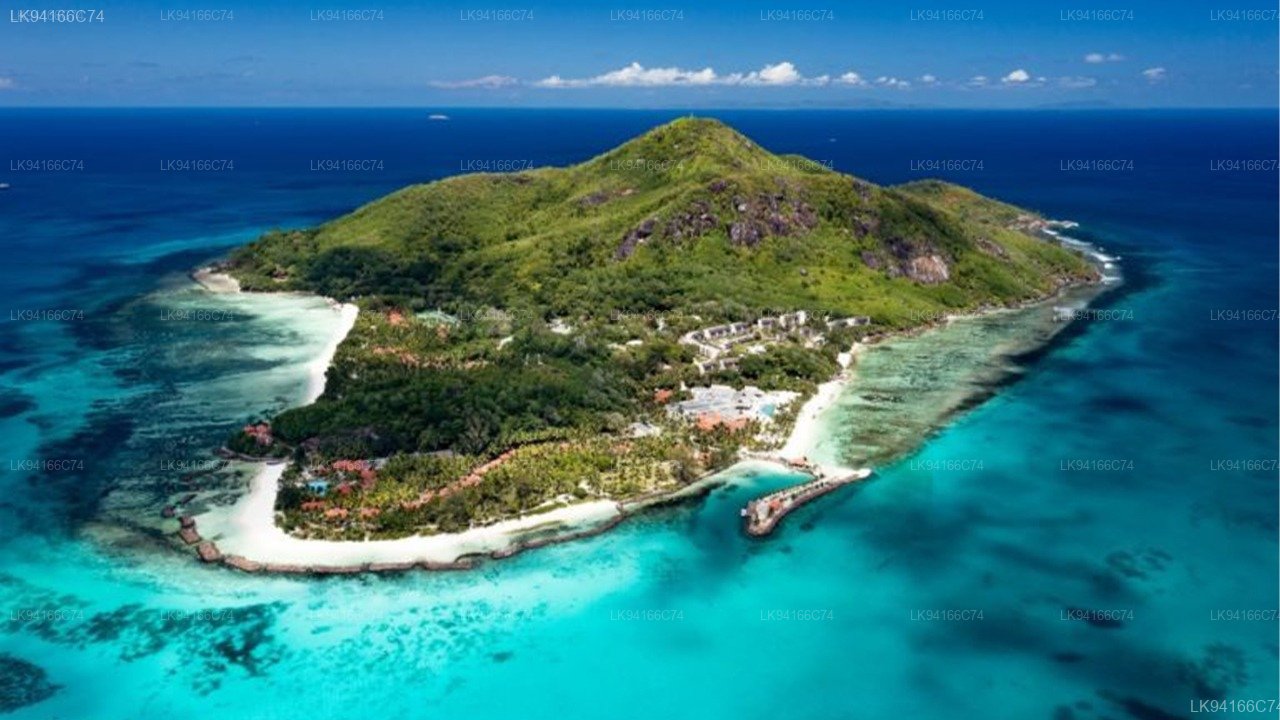

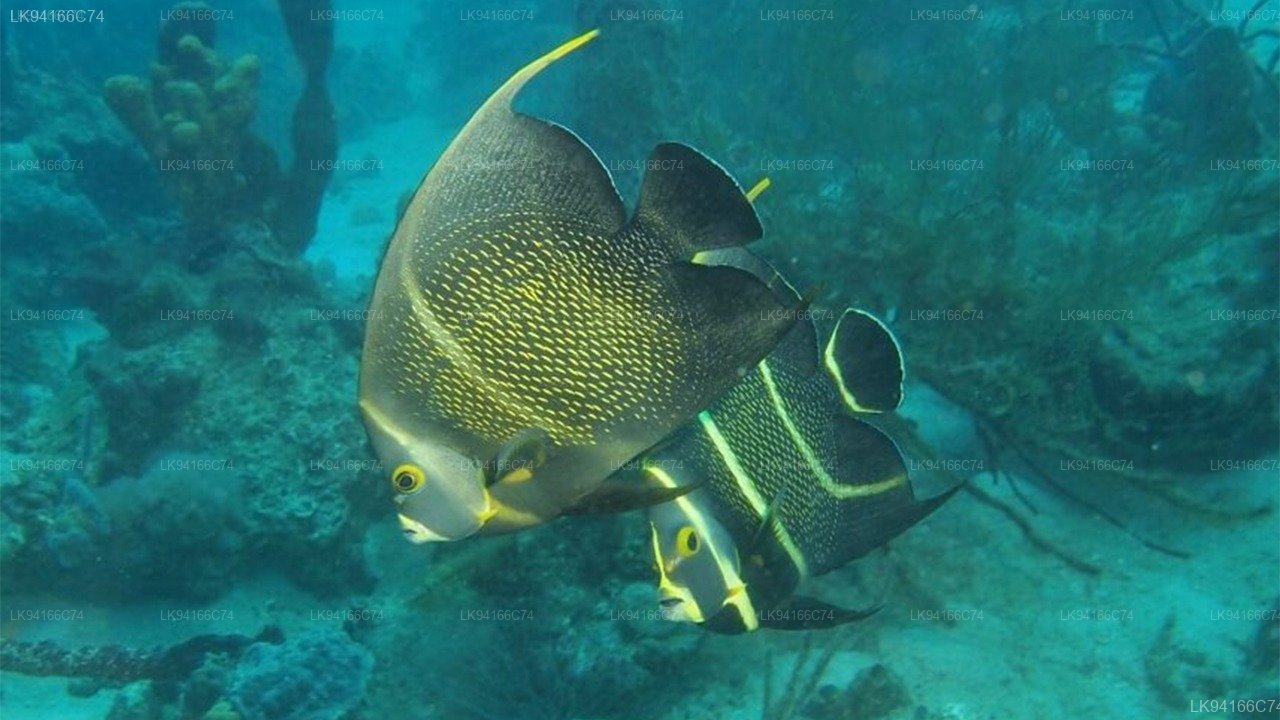
St. Anne's Reef is one of Sri Lanka's most important coral reef systems, located off the coast of Kalpitiya in the North Western Province. Situated within the larger Bar Reef Marine Sanctuary, it forms part of a rich marine ecosystem that supports diverse coral species, reef fish, crustaceans, and other marine life. The reef lies in relatively shallow waters, making it accessible for snorkeling and diving, and it has long been recognized for both its ecological and economic value.
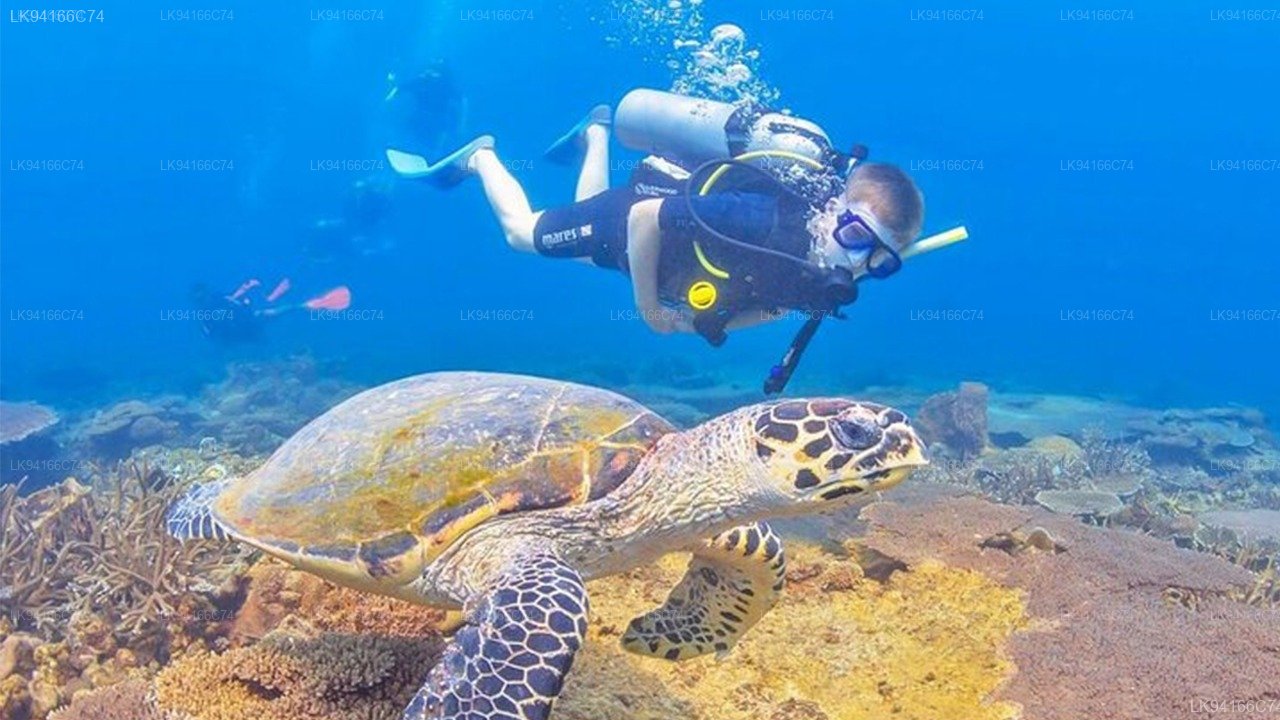
Ecologically, St. Anne's Reef is a vital habitat. It consists of extensive coral formations, including branching, massive, and plate corals that create shelter and breeding grounds for numerous marine species. Reef fish such as parrotfish, butterflyfish, groupers, and snappers are commonly found here, alongside sea cucumbers, starfish, and occasionally sea turtles. The reef also plays a protective role for the coastline by reducing wave energy and limiting coastal erosion. In this way, it supports not only biodiversity but also the livelihoods of fishing communities in the Kalpitiya region.
However, like many coral reefs around the world, St. Anne's Reef has faced significant environmental pressures. Coral bleaching events linked to rising sea temperatures have caused damage in past decades. Additionally, destructive fishing practices, illegal coral mining in earlier years, and sedimentation have contributed to reef degradation. Recognizing its ecological importance, the Sri Lankan government declared the surrounding area a marine sanctuary, placing restrictions on harmful activities and promoting conservation measures.
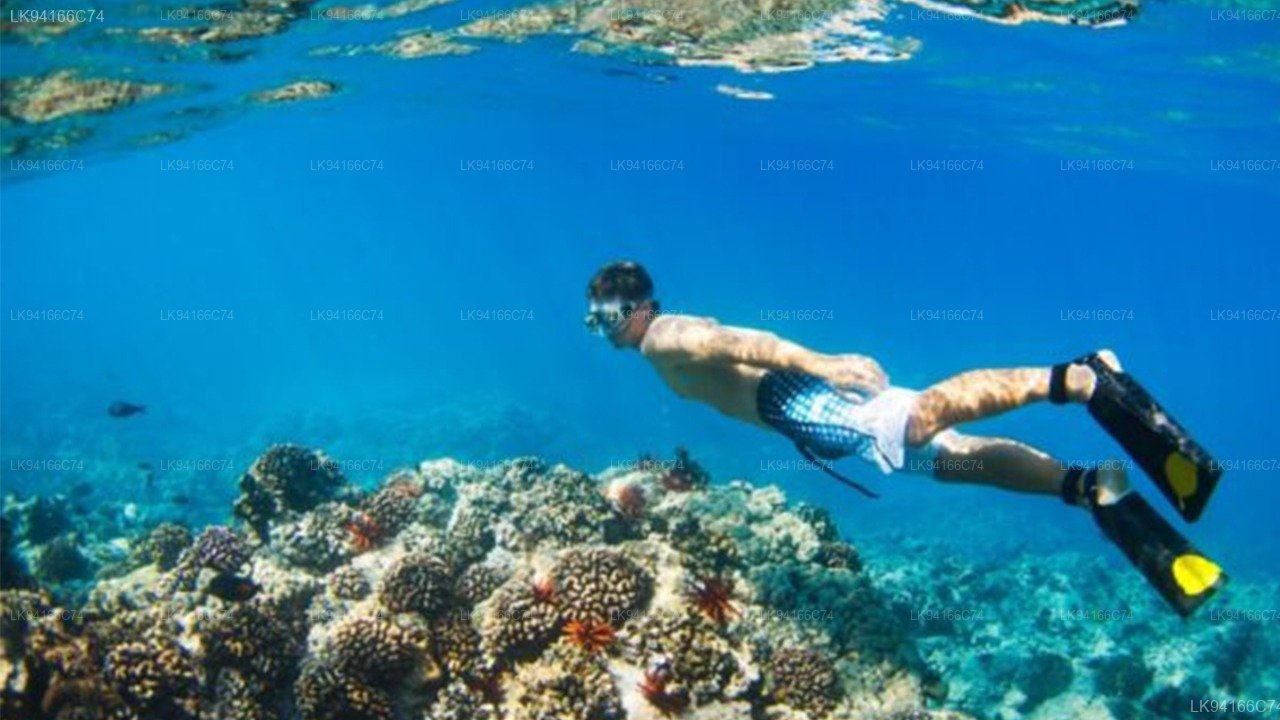
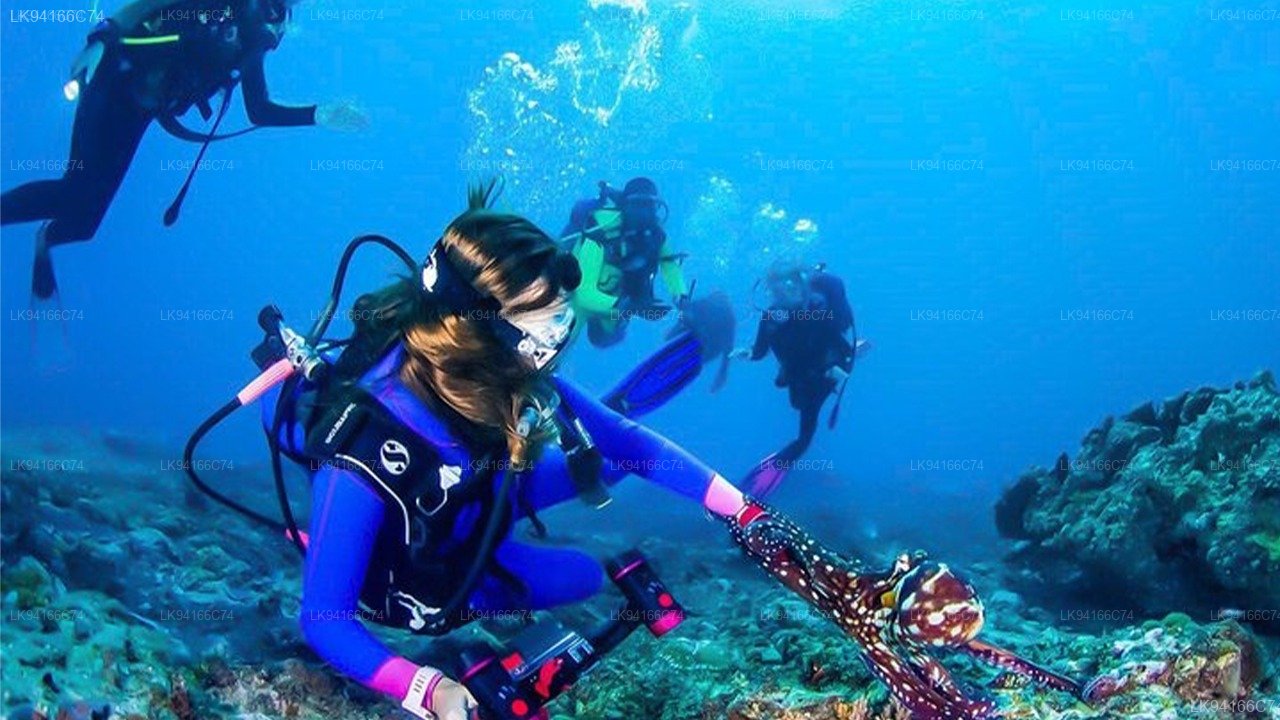
Today, St. Anne's Reef also contributes to Sri Lanka's growing marine tourism sector. Kalpitiya has become known for dolphin watching, kite surfing, and diving, and the reef attracts both local and international visitors interested in underwater exploration. Sustainable tourism practices are increasingly emphasized to balance economic benefits with environmental protection. Responsible snorkeling and diving guidelines, along with community awareness programs, aim to ensure that visitors do not damage fragile coral structures.
Within the broader Sri Lankan context, St. Anne's Reef represents both natural heritage and environmental responsibility. It highlights the island's rich marine biodiversity while underscoring the urgent need for conservation in the face of climate change and human impact. Protecting this reef is not only about preserving beauty beneath the sea; it is about safeguarding fisheries, coastal stability, and future generations' ability to experience one of Sri Lanka's most valuable marine ecosystems.